
Article
Commentary: what public broadcasting risks losing when culture retreats
Martin Hufner challenges political pressure and broadcasters’ own cuts.
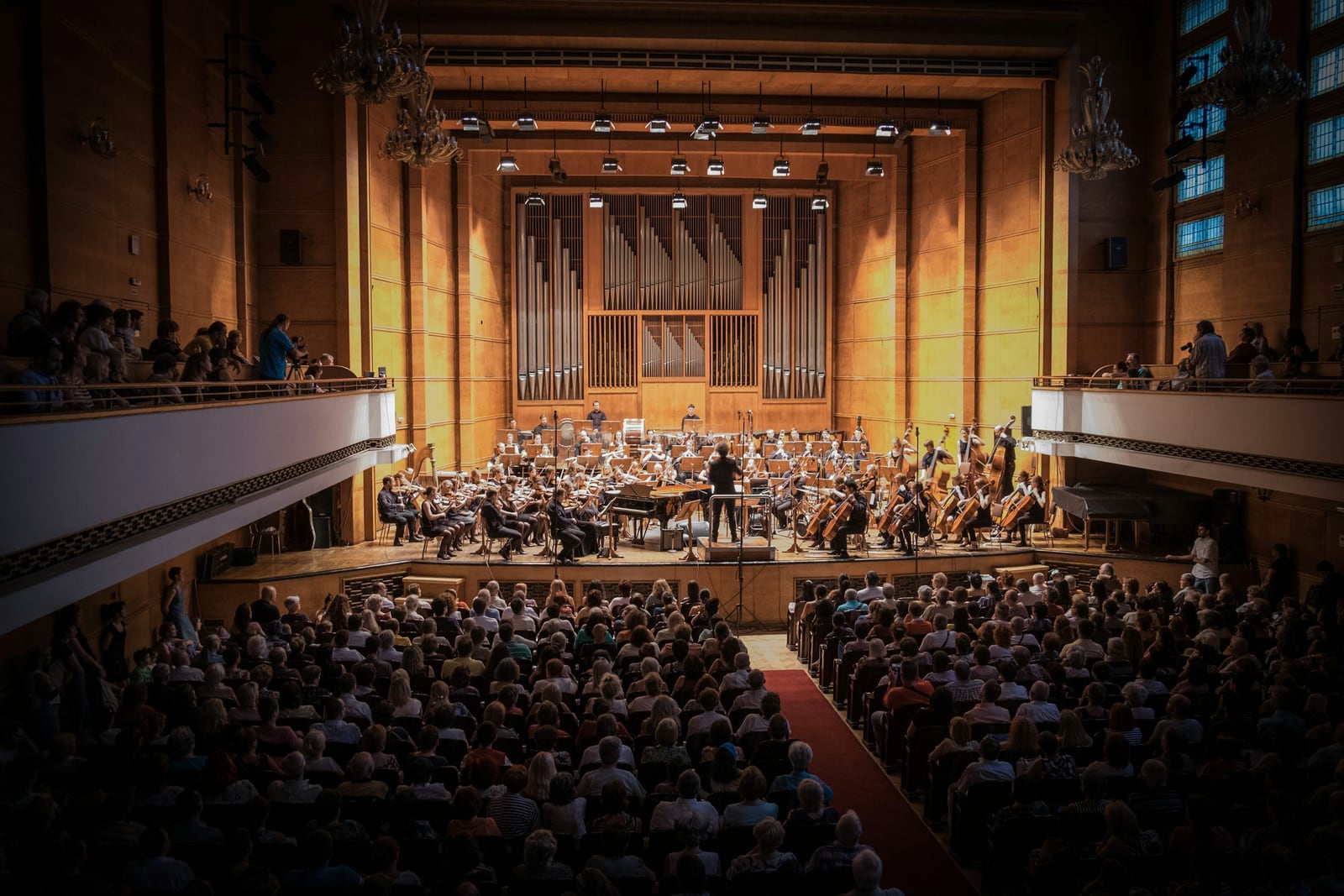
A new intervention by music commentator Martin Hufner argues that the danger facing Germany’s public broadcasters comes from two directions: political pressure from outside and a retreat from cultural responsibilities within the institutions themselves.
His November 1 editorial criticises federal culture commissioner Wolfram Weimer’s ideas about restructuring public broadcasting, including discussion of ZDF’s future. Hufner presents these interventions as a threat to institutional independence. That is his political assessment, not evidence that a dissolution of ZDF has been adopted as policy.
The commentary’s second argument concerns decisions made by broadcasters themselves. Hufner contends that cultural programming, education and reliable information are being sacrificed as organisations respond to populist pressure and pursue digital visibility. He cites the winding down of MDR Klassik as an example of a cultural service disappearing with relatively little public attention.
He also questions dependence on large technology platforms. In his view, the pursuit of followers and short-form content cannot substitute for the diversity of provision that public media are intended to sustain. The issue is not simply whether a broadcaster reaches people online, but what editorial capacities remain behind that reach.
For musical life, the argument matters because broadcasting can provide more than promotion. Dedicated editorial teams, specialist programmes and sustained attention to repertoire are forms of cultural infrastructure whose effects may be difficult to measure through immediate audience metrics alone.
Hufner’s language is deliberately forceful, and his claims should be read as commentary rather than a neutral inventory of enacted reforms. The underlying question nevertheless reaches beyond a single broadcaster: what should count as success for a publicly supported cultural service?
A larger digital audience may be one answer, but the editorial asks whether diversity, independence and depth are being given equal weight. Its warning is that institutions can narrow their mission even without an outside authority formally ordering them to do so.