
News
A 53-Finger Pianist Tests the Meaning of Interpretation
Roberto Prosseda shares a Bologna programme with the robot TeoTronico.
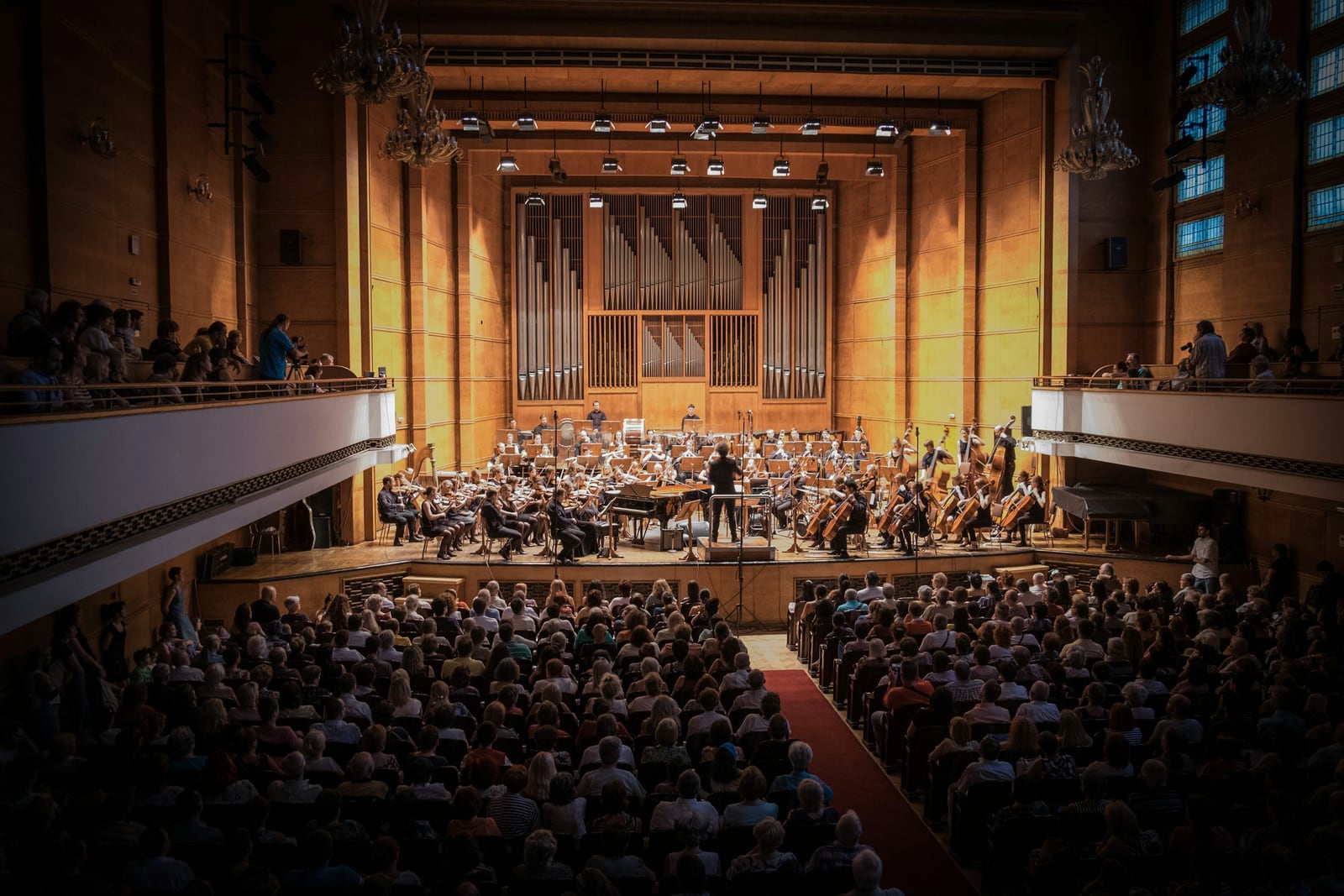
Roberto Prosseda has a keyboard partner with 53 fingers. In a Bologna performance on 27 October, the pianist is joined by TeoTronico, a robot built to play an acoustic piano from digital instructions. The encounter belongs to La Soffitta 2026, a programme of the University of Bologna’s Department of the Arts, and is framed as both concert and public experiment.
Created by Matteo Suzzi in Imola in 2008, TeoTronico can turn MIDI data into physical key presses. It can also reproduce performances captured on historic player-piano rolls and speak during a presentation. None of these abilities makes it a human colleague, but each provides a way to ask what a listener actually hears when a performance seems convincing.
The selected composers include Scarlatti, Mozart, Chopin, Scriabin and Milhaud. Music for two pianos places Prosseda and the machine in a shared task, making their contrasting methods audible without requiring a lecture on engineering. A passage may be exact in timing yet feel inflexible; a human may deviate from a score and make the phrase clearer. Neither conclusion can be assumed in advance, which is why live comparison is more interesting than a publicity claim about speed or finger count.
The event also belongs to a long history of mechanical music. Player pianos and other devices have preserved or imitated musical gestures for more than a century. TeoTronico adds visible movement and a theatrical personality to that tradition. Prosseda brings the choices of a musician who can respond to sound in the moment.
The audience is not being asked to award a victory to man or machine. The sharper question is how interpretation arises from timing, attention and interaction, and which of those qualities listeners perceive when both performers are seated at the keyboard.