
News
Four Spanish Composition Scholarships Open for Applications
Each €25,000 award supports new chamber and orchestral works.
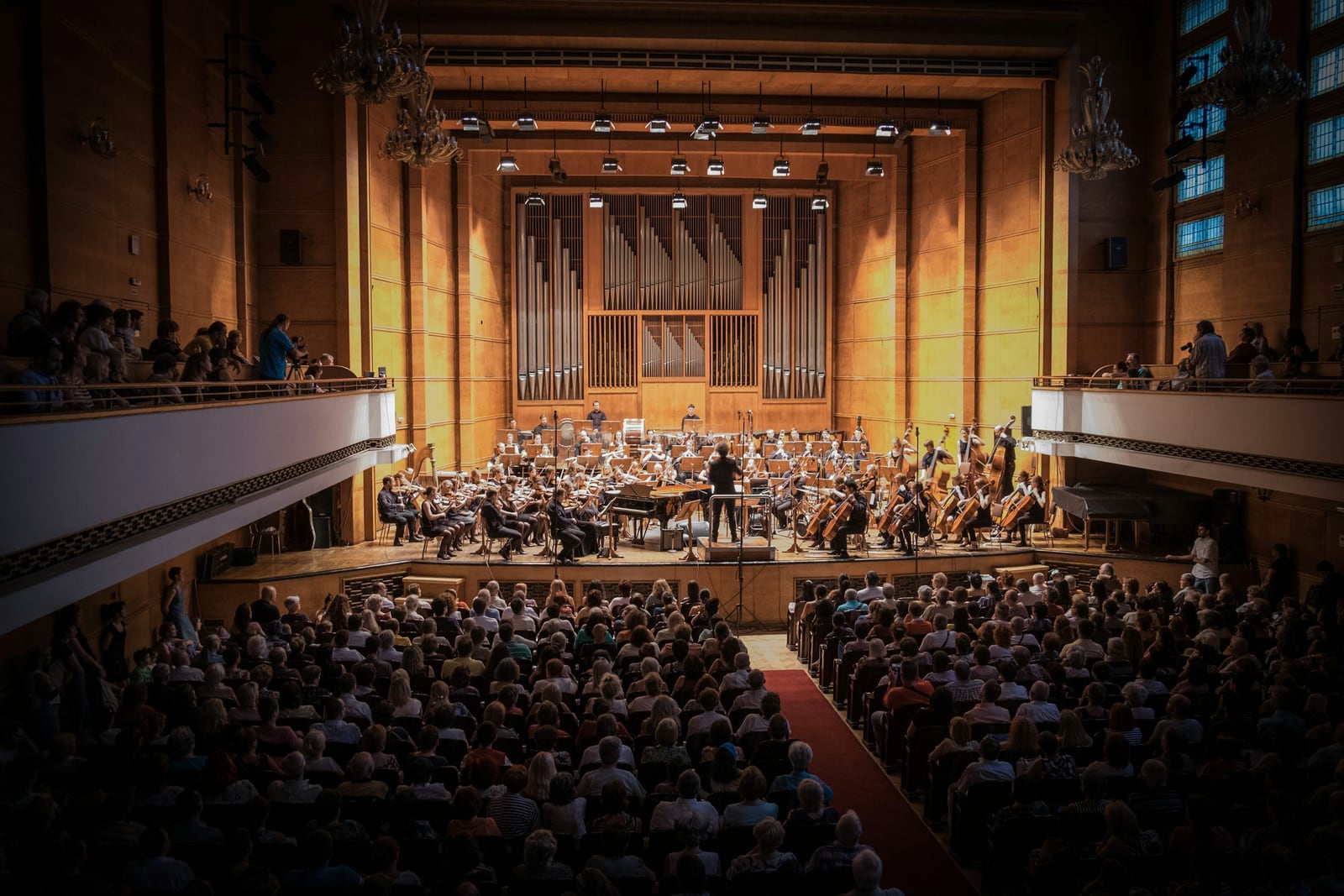
Four emerging composers will have the chance to receive €25,000 each through scholarships associated with Juventudes Musicales de España and the Ferrer Foundation. Applications close on 23 November. The selected musicians are expected to create two new works, one for chamber forces and one for orchestra, while receiving mentoring during the process.
The amount matters, but so does the structure around it. A composer needs time to draft, test and revise material before musicians can rehearse it. A commission that includes guidance and a route to performance can be more useful than a prize that merely recognises a finished score. Writing for both chamber ensemble and orchestra also asks applicants to work at different scales of sound and organisation.
For younger artists, access to orchestral rehearsal can be particularly scarce. A large ensemble requires resources that a composer cannot easily assemble alone, and hearing a score played can reveal practical questions that notation cannot answer. The chamber work offers another kind of laboratory, with closer contact between composer and performers and more space for detailed exchange.
The programme’s application deadline gives prospective candidates a short but definite horizon. They will need to examine eligibility, submission requirements and the time available for the two works rather than judging the opportunity by the headline sum. Selection will be the beginning of a working relationship, not the completion of a project.
Scholarships of this size signal an intention to invest in the conditions of composition. Their success should eventually be heard in the music itself: whether the works receive serious rehearsal, whether performers and composers learn from one another, and whether the pieces gain a life beyond the first presentation. That is how support becomes part of a repertoire rather than a line on a résumé.