
News
German music schools put inclusion into practice at Hamburg meeting
A national conference joined workshops, ensemble performances and a leadership handover.
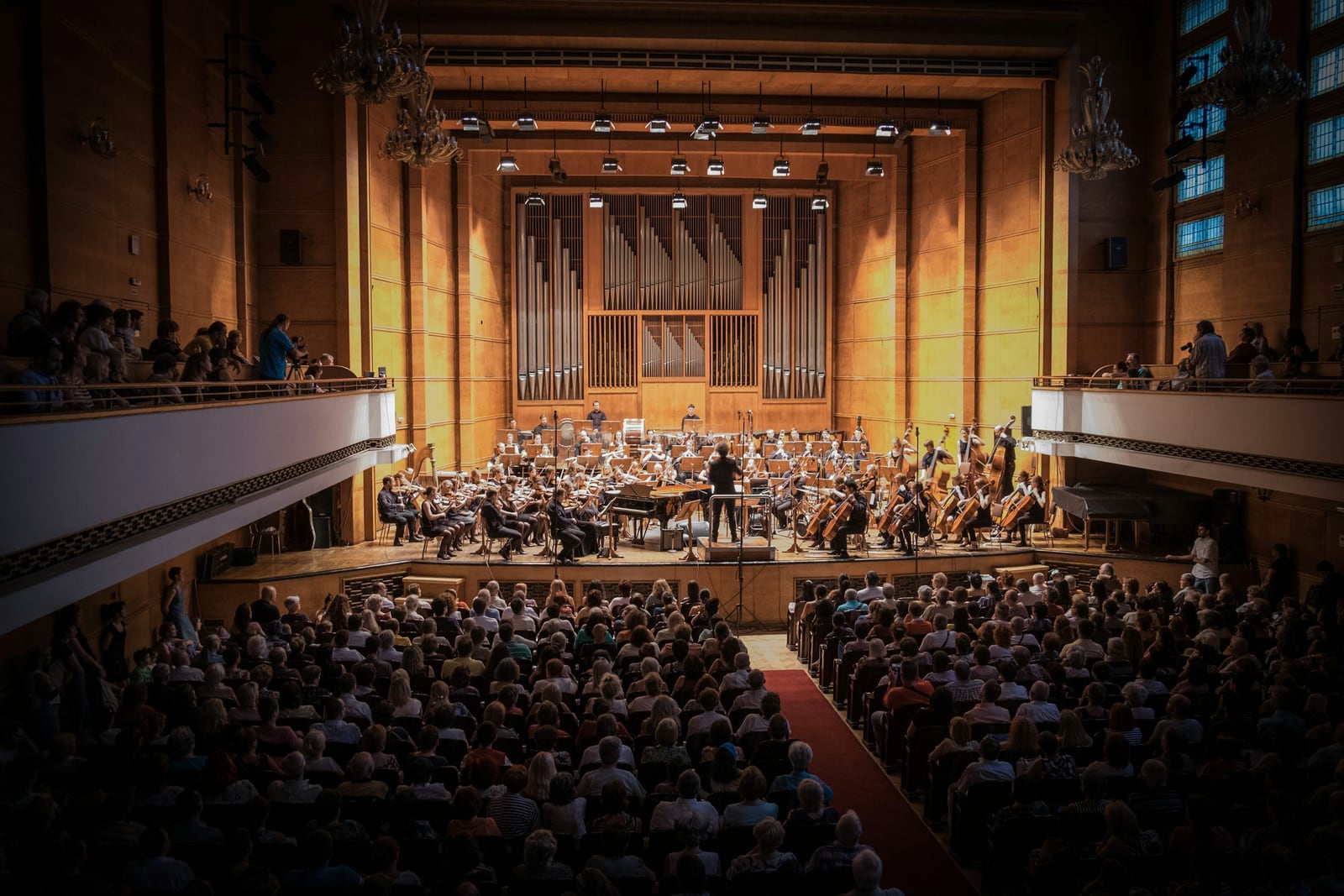
Sixty music-school professionals gathered at Hamburg Conservatory from September 18 to 20 to examine how inclusion can develop amid social divisions. The national conference of the Verband deutscher Musikschulen combined policy discussion with practical music-making and a change in committee leadership.
Karin Holzwarth and Rainer Buschmann succeeded Robert Wagner as joint leaders of the association’s inclusion committee. Wagner’s decades of work in the field were acknowledged as the new leadership took over.
The meeting followed a longer institutional process, including the 2014 Potsdam Declaration and a 2021 decision to build an inclusion network. Representatives from ten German states attended, alongside the association’s executive director Raphael Amend and training officer Markus Brückner.
Workshops addressed introductory approaches to inclusion, music therapy, cultural diversity and participation through partnerships. Rather than treating access as a single administrative issue, the programme examined teaching methods, institutional support and the relationships through which people enter musical activity.
Two ensembles provided practical examples. KONtegra from Schwerin performed music from different cultures, while Hamburg’s Kontakte presented its own jazz arrangements. Their participation connected the discussions with rehearsal and performance, allowing delegates to consider inclusion as an ongoing musical practice.
The final day included professional reflection and supervision, with attention to how staff and organisations sustain their work in difficult circumstances. A concluding discussion collected ideas and needs for future development.
The next national specialist conference is planned for 2028. The September meeting therefore sits within a continuing programme rather than a one-off initiative. Its combination of workshops, performances and leadership succession pointed towards the same question: how can municipal music schools make participation a structural part of their work, rather than an occasional project attached to the margins of an existing timetable?