
News
German Theatres Release 2023/24 Season Statistics
The number of theatre attendees in Germany has reached the 20 million mark, which represents an increase of 1.5 million people compared to the previous season.
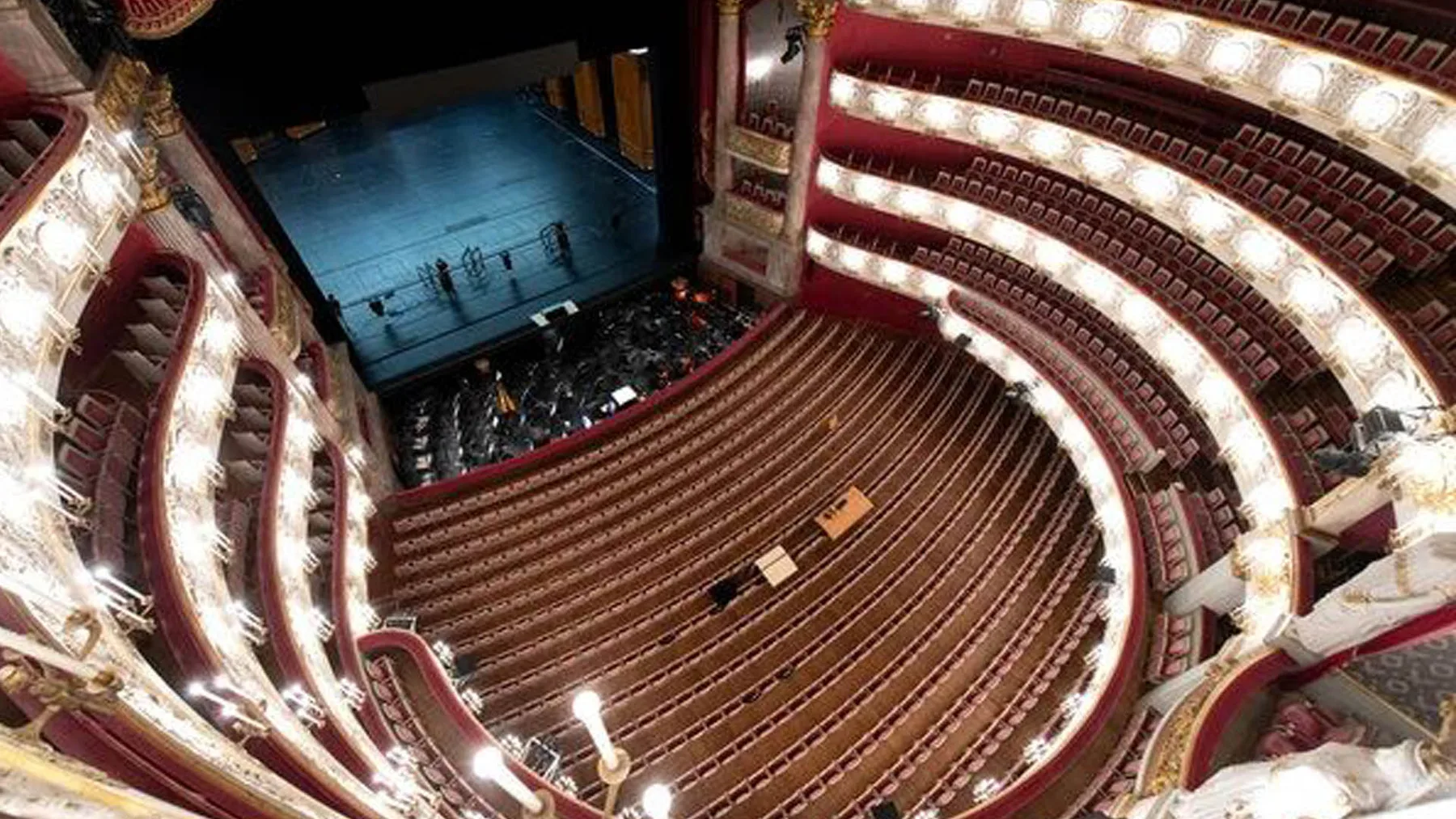
The number of theatre attendees in Germany has reached the 20 million mark, which represents an increase of 1.5 million people compared to the previous season. Including Austria and Switzerland, around 25 million visitors attended theatres across the nine listed genres.
Over the course of the year, this equates to an average of more than 55,000 theatre visits per day in Germany alone. This figure impressively illustrates the immense importance of theatre for both leisure and cultural enjoyment in the country.
According to Claudia Schmitz, Executive Director of the German Stage Association, these numbers show “how strong the attraction of theatre is for people in all its forms of expression. Many thanks to everyone involved—on stage, behind the scenes, and in front of the curtain—for their tireless and essential work for our community!”
The significant increase in attendance is all the more remarkable considering that the number of productions and performances in Germany remained nearly unchanged from the previous season. Although attendance still falls short of pre-pandemic levels, it is clear that recovery from the pandemic continues in the early part of this decade. At that time, the number of productions and performances was also notably higher. According to the new statistical report, audience numbers have reached 88 percent of the 2018/19 season, while the number of performances stands at 91 percent compared to the last pre-pandemic season.
The proportion of dance and children’s/youth theatre within the total repertoire has continued to grow—both in terms of number of performances and audience figures. Children’s and youth theatre now account for 20 percent of all theatre audiences in Germany (4 million people), while ballet and dance make up 12 percent (2.4 million people). The largest category remains spoken drama, accounting for 32 percent of visits (6.5 million people), followed by musical theatre (opera, operetta, and musicals), which attracted 27 percent of the total audience (5.5 million people).
William Shakespeare remains the most frequently performed playwright. In the opera sector, Wolfgang Amadeus Mozart continues to lead. However, for both of these classical figures, the longstanding gap ahead of other composers and playwrights is narrowing. Shakespeare saw 83 productions, which is 12 fewer than in the previous season, while his closest follower, Georg Büchner, had 52 productions, 19 more than the year before. Among the ten most-performed playwrights in Germany this season, six are now contemporary authors—whereas in opera, new works still play only a minor role.
The proportion of female directors has increased by 1 percentage point to 43 percent compared to the previous season. Male directors now account for 54 percent (down by 1%), while 2.5 percent of productions were led by collectives, and 0.5 percent by non-binary or diverse individuals.
The production statistics are based on data provided by 438 professional theatres in Germany, Austria, and Switzerland. The editorial oversight was handled by the theatre magazine DIE DEUTSCHE BÜHNE.