
News
"I'm glad that art in Bayreuth is now autonomous"
On 25 July, the Bayreuth Festival opens with a new production of Tristan by Thorleifur Örn Arnarsson under the musical direction of Semyon Bychkov.
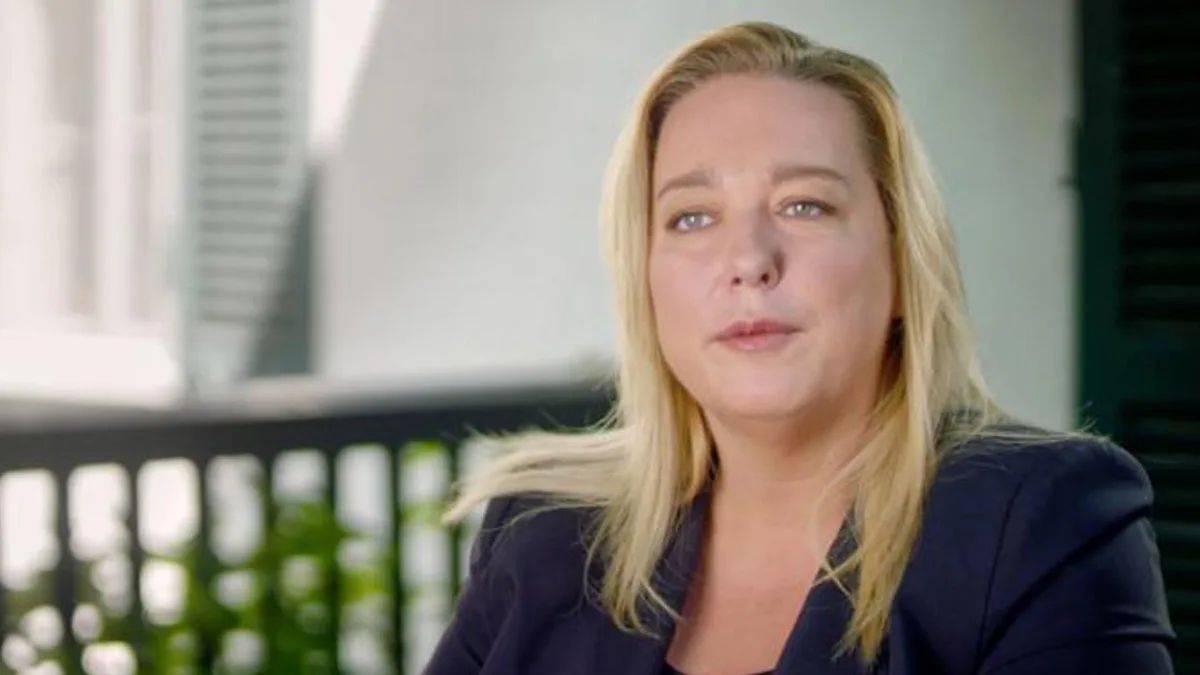
On 25 July, the Bayreuth Festival opens with a new production of Tristan by Thorleifur Örn Arnarsson under the musical direction of Semyon Bychkov. Both can be seen during rehearsals on monitors flickering in Festival Director Katharina Wagner's office. (Here is the podcast for all players, here for applePodcast below for Spotify)
Katharina Wagner, the director of the Bayreuth Festival, explains in the BackstageClassical podcast that she personally demanded a separation of artistic and economic management during the contract negotiations: "For me personally, it was important during the extension that the arts in Bayreuth become autonomous and have their own budget. That didn't exist before. Now artistic matters can be dealt with quickly and efficiently via a single desk. This means we can plan more reliably. This clear line was particularly important to me. On the other hand, I didn't want to be liable for the huge reorganisation projects that we as a festival are facing in the coming years."
Wagner also explained that negotiations with the Festival Chorus about downsizing are still ongoing. "We are not making savings for fun," says Wagner, "the proposal to also make savings in the choir is due to the general situation that the Festival unfortunately has to make savings: We have massive pay rises and cost increases in all areas. In the meantime, all departments of the theatre have made savings, technology, make-up, costumes - these were massive savings, but they were not in the public eye, as these are in-house facilities." Wagner praises the negotiations with the orchestra, which has agreed to perform more services, and explains: "We need a certain basic strength in the choir, but we don't necessarily need all 134 singers all the time and every day. If the large choir is needed, we want to fill out the regular choir with professional singers. We are in talks about this, we will continue to talk and I am sure that we will steer the negotiations in a direction that everyone can live with."
The Festival Director is satisfied with current ticket sales: "Last year we started selling tickets very late, but this year it's different - and ticket sales are really very pleasing. But you also have to honour the truth: The competition is growing, and unfortunately we have very expensive ticket prices because we have to bear a large part of our costs ourselves. But I can also see that many people enjoy coming to Bayreuth again and again, that they feel at home."
Katharina Wagner on her contract extension
"What made me happy was that I felt during the negotiations that all the sponsors were supporting the Festival with all their strength - both the public shareholders and the Gesellschaft der Freunde. For me personally, the important thing about the extension was that the arts in Bayreuth would become autonomous and have their own budget. That didn't exist before. Now artistic matters can be dealt with quickly and efficiently via a single desk. This means we can plan more reliably. This clear line was particularly important to me. On the other hand, I didn't want to be liable for the huge reorganisation projects that we as a festival are facing in the coming years. We all hope that the new structures within the management level will create more clarity and efficiency for everyone."
Katharina Wagner on necessary cost-cutting measures
"We're not making savings for fun. The proposal to also make savings in the choir is due to the general situation that the Festival unfortunately has to make savings: We have massive pay rises and cost increases in all areas. In the meantime, all departments of the theatre have made savings, the technical department, make-up, costumes - these were massive savings, but they were not in the public eye, as these are in-house facilities. We also came to an agreement with the orchestra because they offered to play more services in productive discussions. We have found a joint solution that allows us to keep the orchestra in its unique structure. We now have to negotiate further with the choir, and effective savings proposals for the coming years must also be put on the table. This year, for example, we have three evenings - Rheingold, Walküre and Siegfried - on which no chorus performs at all, and in Tristan there is only a male chorus in the first act. Other theatres have around 80 permanent members - we had 134, which raises the question of whether this is always necessary. Sure: the third act of Tannhäuser or Lohengrin - in these cases you need this mass. But not necessarily for Götterdämmerung. So we need a certain basic strength in the choir, but we don't necessarily need all 134 singers all the time and every day. If the large choir is needed, we want to fill out the core choir with professional singers. We are in talks about this, we will continue to talk and I am sure that we will steer the negotiations in a direction that everyone can live with."
Katharina Wagner on Wagner for all
"I think it's important that Wagner is for everyone. In general, music should always be for everyone! It's important to me that as many people as possible can at least have an initial contact with Wagner and his work. This works wonderfully with the free open air, but especially with the children's opera. It is a matter close to my heart, especially because music lessons in Germany no longer take place the way they used to. There are those unique moments when a child suddenly calls out: "Watch out, Klingsor wants to kill you!" That's when you realise that opera can still engage children today. You don't get the feeling that the children are being forced, but that they are there and right in the middle of it!"
Katharina Wagner on the audience
"Sometimes people say: 'That's not what Wagner wanted! I can only reply: 'Unfortunately, I don't know. Unfortunately, we can't ask him anymore. But what I do know is that he was very tech-savvy, and perhaps he would have had a lot of fun with many of the things we do - especially when it comes to stage technology. But I'm very happy that our audience is so familiar with Wagner and his work. That's great for every artist. Of course there is friction. Of course there are different perspectives. But people who come to Bayreuth are generally willing to follow a director's vision. As artistic director, it's great to know that our audience is made up of experts and engages intensively with the performances. The debates I overhear in the intervals are proof of their liveliness. In the end, everything in Bayreuth revolves around the 'boss', Richard Wagner. Everyone is here because of him: the audience and the artists."
Katharina Wagner on the festival competition
"Corona has changed a lot - especially in terms of audience behaviour. But we're on the right track this year. Last year we started very late with sales, but this year it's different - and ticket sales are looking really good. But you also have to honour the truth: The competition is growing, and unfortunately we have very expensive ticket prices because we have to bear a large part of our costs ourselves. But I also see that many people enjoy coming to Bayreuth again and again, that they feel at home. I am particularly grateful to the orchestra, whose musicians spend their holidays here. Times are changing here too. I can see this, for example, in the fact that we have more requests for time off than before. I also understand this - many of the musicians are freelancers and have to make a living from music. We try - within the framework of serious rehearsal planning - to make many things possible. And it is important to us that we support artists in their work: Bayreuth offers immediate coaching, or language coaching - and there is a great deal of knowledge and experience everywhere. That's what makes the atmosphere so special."