
News
Julian Lloyd Webber Renews a Call for School Music
The cellist has addressed Prime Minister Andy Burnham over access for children.
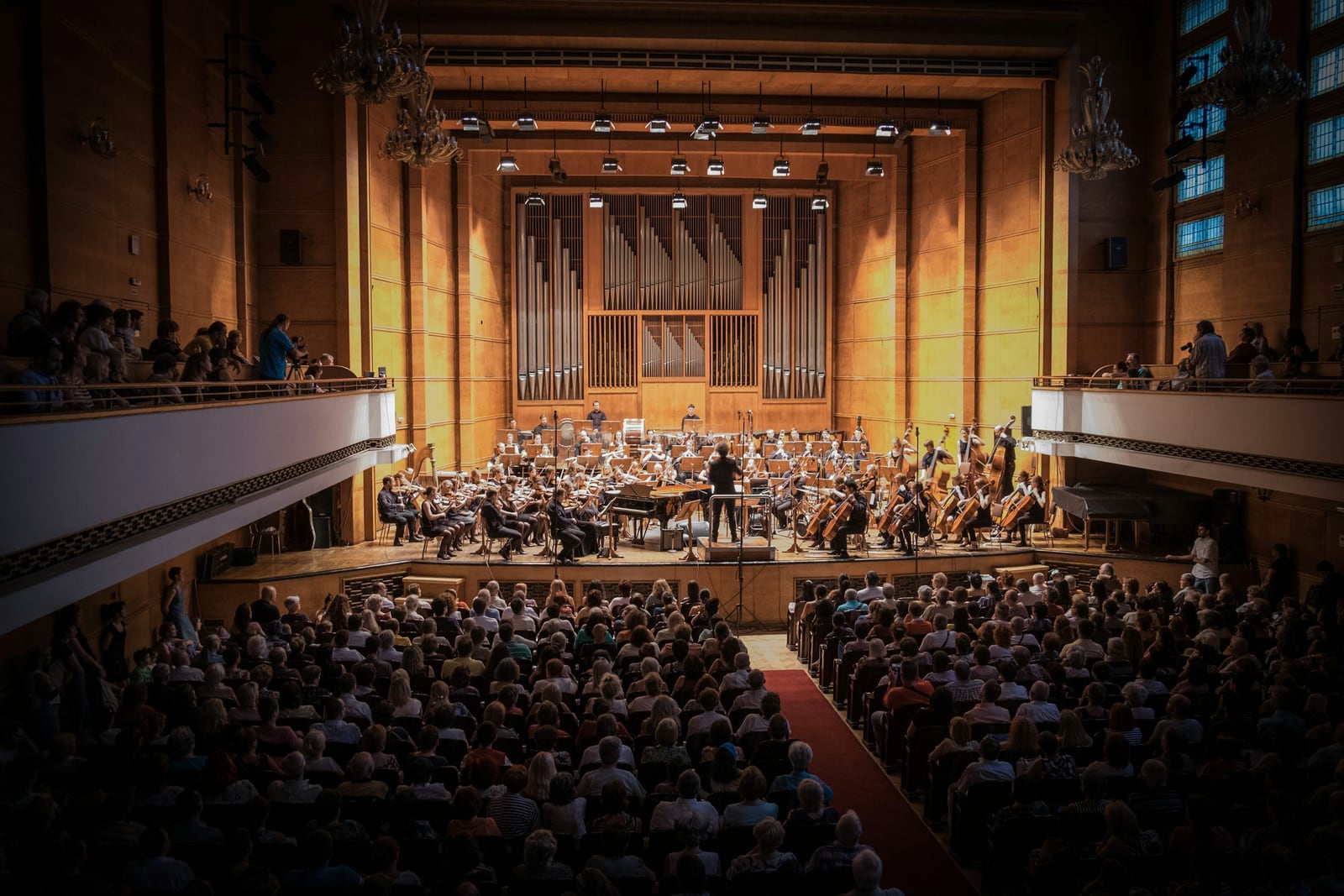
Cellist Julian Lloyd Webber has appealed to UK Prime Minister Andy Burnham to expand access to music education in state schools. In a video message, he recalls Burnham’s visit to In Harmony Liverpool in 2008, when Burnham was culture secretary. The appeal uses that earlier encounter to ask whether a national leader who saw a school music project at close range will act on the issue now.
Lloyd Webber’s concern is that fewer children have the chance to learn an instrument. The question is wider than training future professionals. Ensemble playing, singing and regular practice can give children ways to participate with others, and opportunities should not be determined by a family’s ability to pay. The appeal therefore frames music as part of public education rather than an optional reward for a small group.
The cellist has campaigned on this issue for years. In 2003 he co-founded the Music Education Consortium with percussionist Evelyn Glennie and flautist James Galway. His brother, composer Andrew Lloyd Webber, has also called for stronger school provision. The new message belongs to that longer advocacy, but it is addressed to a different political moment: Burnham became prime minister in July 2026.
A public video cannot by itself restore teaching hours or instruments to schools. The practical tests will be whether the government sets out funding, supports specialist teachers and protects space for music in the curriculum. Access also needs to be measured in schools where provision is weakest, not only through exemplary projects already known to ministers.
The Liverpool memory gives the appeal a personal point of entry. Its force lies in asking a simple policy question: will an experience once praised in a local setting become a reliable opportunity for children across the country?