
News
Multiple Orchestra Musicians Allege Conductor Jaap van Zweden Fostered a Culture of Fear
Dutch media outlet Pointer has reported that renowned conductor Jaap van Zweden is alleged to have overstepped professional boundaries during his time with several orchestras.
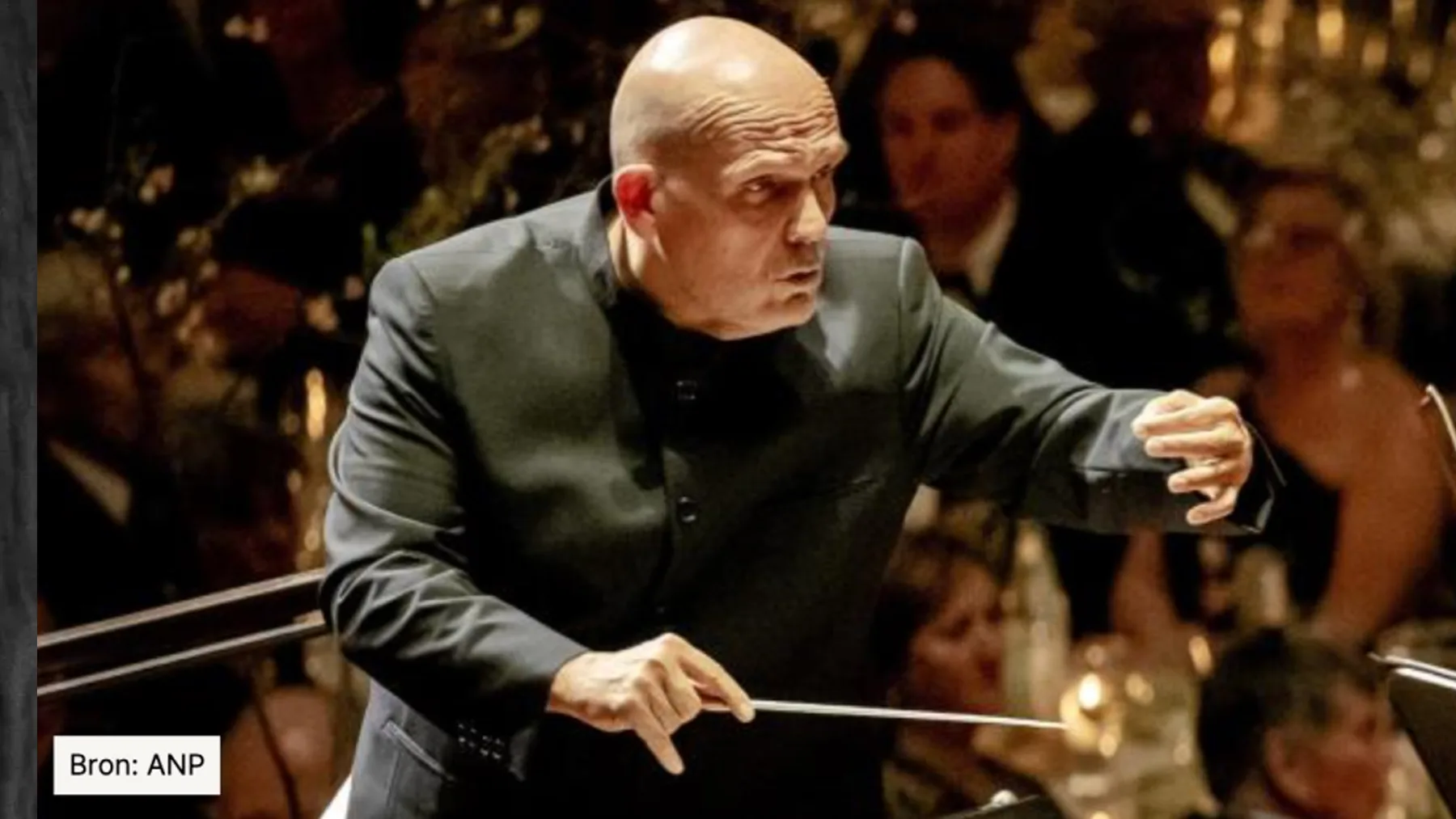
Dutch media outlet Pointer has reported that renowned conductor Jaap van Zweden is alleged to have overstepped professional boundaries during his time with several orchestras. The report is based on extensive interviews with dozens of musicians and other insiders, pointing to a widespread pattern of fear under his leadership.
Pointer is set to broadcast an extended edition of its investigative programme on its YouTube channel today at 4pm local time.
Over recent months, journalists spoke with more than 50 musicians, administrators, and staff associated with seven orchestras that van Zweden has led over the past 25 years, both in the Netherlands and internationally. Numerous accounts describe his behaviour as severe and, at times, intimidating.
Individual musicians recounted experiences of being humiliated or belittled in front of colleagues. For some, working with the Dutch conductor had long-lasting consequences.
Several musicians revealed that they would take sick leave to avoid rehearsals or performances under van Zweden. Others reported resorting to medication, including treatments for high blood pressure and sedatives. “He shouts at you as if you were a four-year-old,” said one source based in Dallas, USA, who spoke on condition of anonymity — as did the majority of interviewees. “When he does that, you feel completely alone,” said another musician from Hong Kong. “It’s not just the orchestra — everyone is afraid of him, including the management.”
The investigation also included conversations with six current or former orchestra managers, most of whom also chose to remain anonymous. While they acknowledged the musical and commercial successes achieved during van Zweden’s tenures, many said they had informally heard concerns about his interactions with musicians.
However, formal complaints or official reports appear to be rare or entirely absent from senior levels of management.
Two independent experts — Professor Rob van Eyben and legal researcher Marjan Olfers — reviewed 20 anonymous witness statements. Both concluded that boundary-crossing behaviour occurred in orchestras under van Zweden’s leadership.
“For those who experienced and endured such behaviour, their personal boundaries were crossed, in some cases with serious impact,” said Olfers. She identified “a pattern of fear” in the testimonies. Van Eyben noted that “boundary-crossing behaviour is often associated with the exercise of power.”
In response, van Zweden said he was unable to assess the accuracy of the largely anonymous claims and expressed shock at the portrayal of events. “As a conductor, I frequently highlight areas for improvement. At times, my tone may be forceful, and addressing such matters in front of 120 people is not always pleasant,” he said. “I am aware that I can be demanding. However, that should never be a reason for creating a working environment so stressful that it leads to the use of sedatives.”
He added that he remains open to criticism: “These accounts have moved me, because a conductor must always be in tune with the orchestra. Only then can perfect harmony be achieved. I am certainly open to criticism, and if my working methods can be improved, I am willing to listen.” His full response will be included in the upcoming Pointer broadcast.