
News
Philadelphia Orchestra Deal Lets Musicians Halt Performances Over Unsafe Sound Levels
A three-year agreement introduces hearing safeguards described as a first for US orchestras and will lift musicians’ minimum annual salary to $200,008.
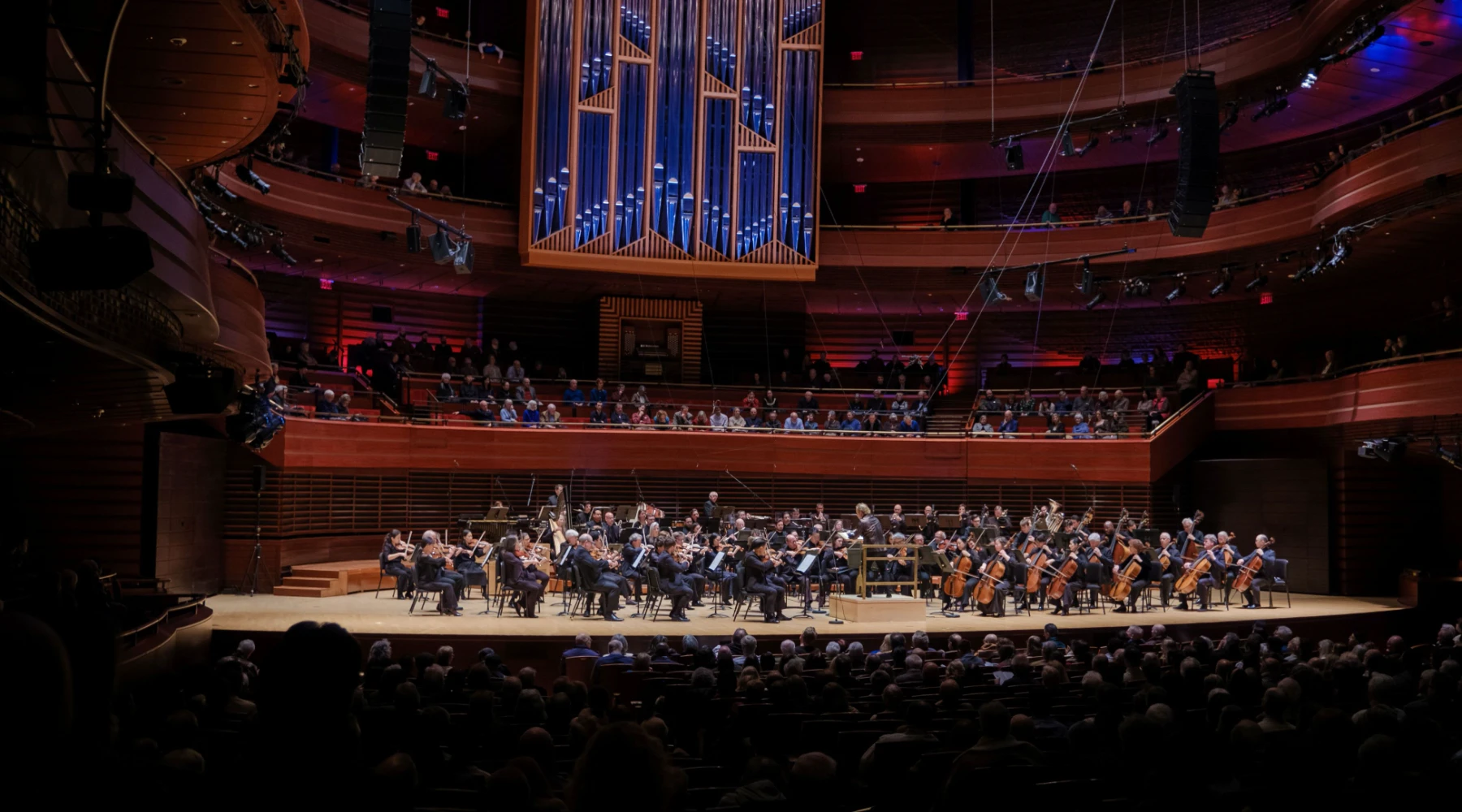
The Philadelphia Orchestra Association and Local 77-274 of the American Federation of Musicians have ratified a three-year contract after more than six months of negotiations. The agreement runs from September 14, 2026, to September 9, 2029, and covers pay, hearing protection, concert scheduling, education programmes and pension benefits for substitute musicians.
Minimum annual base pay will rise by nearly 13% over the life of the contract, reaching $200,008 in its final year. Ryan Fleur, president and chief executive of the Philadelphia Orchestra and Ensemble Arts, said the deal balances the orchestra’s immediate and long-term financial needs with continued investment in its musicians, keeping their pay among the higher levels at US orchestras. The increases are retroactive to September 14.
The contract’s hearing protections, described as a first for an American symphony orchestra, require sound-level meters onstage during rehearsals and performances. Musicians may leave the stage if sound levels remain dangerously high for too long and can halt a performance if necessary. Each musician will also receive $150 towards professional hearing protection.
The orchestra usually performs classical repertoire without amplification, but uses large sound systems for collaborations with pop artists. At a concert last year, some players were seated near loudspeakers operating at high volume, with no way to secure a prompt adjustment. The incident made hearing protection a union priority. Guest artists will now have to attend rehearsals so that sound-system placement and volume can be agreed in advance.
The deal also caps live film-score programmes at two per subscription season. Film scores are generally written to be recorded in short sections, and playing them continuously for several hours can be physically demanding. Brass players face particular strain from prolonged passages of loud, high-register playing, with repetitive movements carrying a risk of lasting injury.
Substitute and extra musicians will receive pension contributions equal to 5% of their earnings from the contract’s third year. The benefit had been withdrawn after the orchestra filed for bankruptcy in 2012.
More dress rehearsals will be opened to students of all ages, and some events will include opportunities to meet the musicians. Management must meet the musicians’ education committee at least once a quarter to discuss public engagement and outreach.
The union surveyed permanent, substitute and temporary players before the talks to establish their priorities. During negotiations, musicians signed petitions, handed leaflets to audiences and wore union clothing at some performances. Union president Ellen Trainer called the agreement a step in the right direction. Dara Morales, chair of the orchestra’s Members’ Committee, said it brought substantial gains in pay and working conditions and reinforced the musicians’ place at the centre of the organisation.
The orchestra opened its 2026–27 season on September 24 with a concert benefiting the musicians’ pension fund. Music director Yannick Nézet-Séguin and the players performed without a fee.