
News
Reduction in Admissions to Moscow Universities Sparks Debate as Russian Rectors Call for Graduate Placement System
Recent changes in university admission policies have sparked concerns among Russian higher education leaders, who warn of potential talent shortages and challenges for various industries.
Recent changes in university admission policies have sparked concerns among Russian higher education leaders, who warn of potential talent shortages and challenges for various industries.
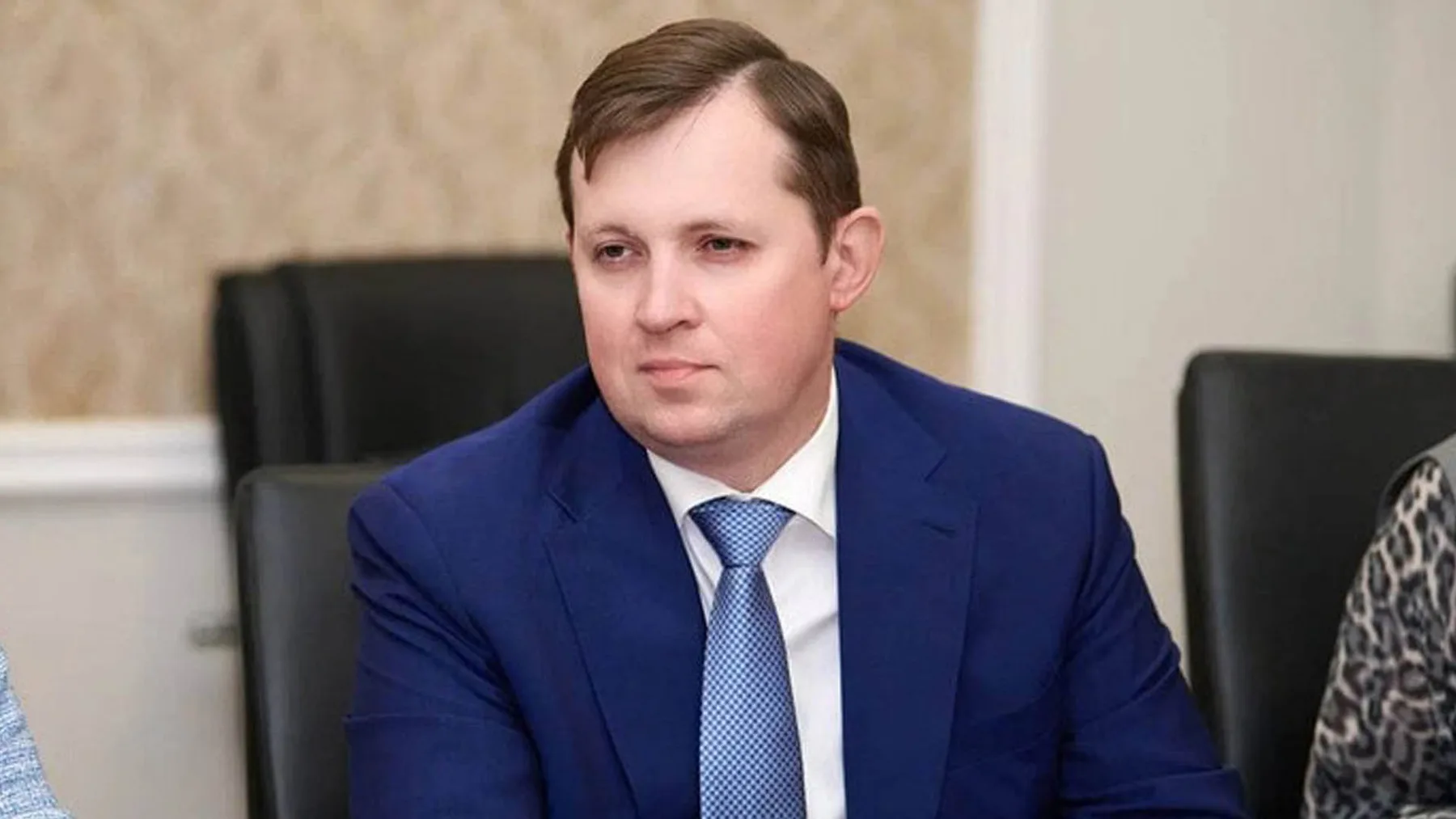
Alexander Ryzhinsky (Александр Рыжинский), rector of the Gnesin Russian Academy of Music, emphasized the need for higher education reform. He pointed out that many students choose their fields of study based on popularity rather than the actual demands of the national economy. He warned that reducing self-funded admissions and restricting students from regional areas from enrolling in Moscow universities could lead to a shortage of skilled professionals, particularly in the field of music and the arts.
At the same time, Vladimir Malyshev (Владимир Малышев), rector of the All-Russian State Institute of Cinematography (VGIK), proposed reinstating the Soviet-era graduate placement system for students receiving state-funded education. He argued that this measure would help address workforce shortages in regional areas, as many graduates prefer to stay in Moscow or St. Petersburg “at any cost” rather than returning to their hometowns.
Earlier, Valentina Matvienko (Валентина Матвиенко), chair of the Federation Council, suggested during a meeting on demographic and family policy that the number of students from the regions admitted to Moscow universities should be reduced. This proposal has sparked broader discussions on how to balance educational opportunities while preventing excessive centralization of talent.