
News
Billionaire’s Opera House Project Faces Political Backlash, Stalls Amid Controversy
A plan by German billionaire Klaus-Michael Kühne to fund the construction of a new opera house in Hamburg’s HafenCity has sparked fierce political opposition, leading to the suspension of the project.
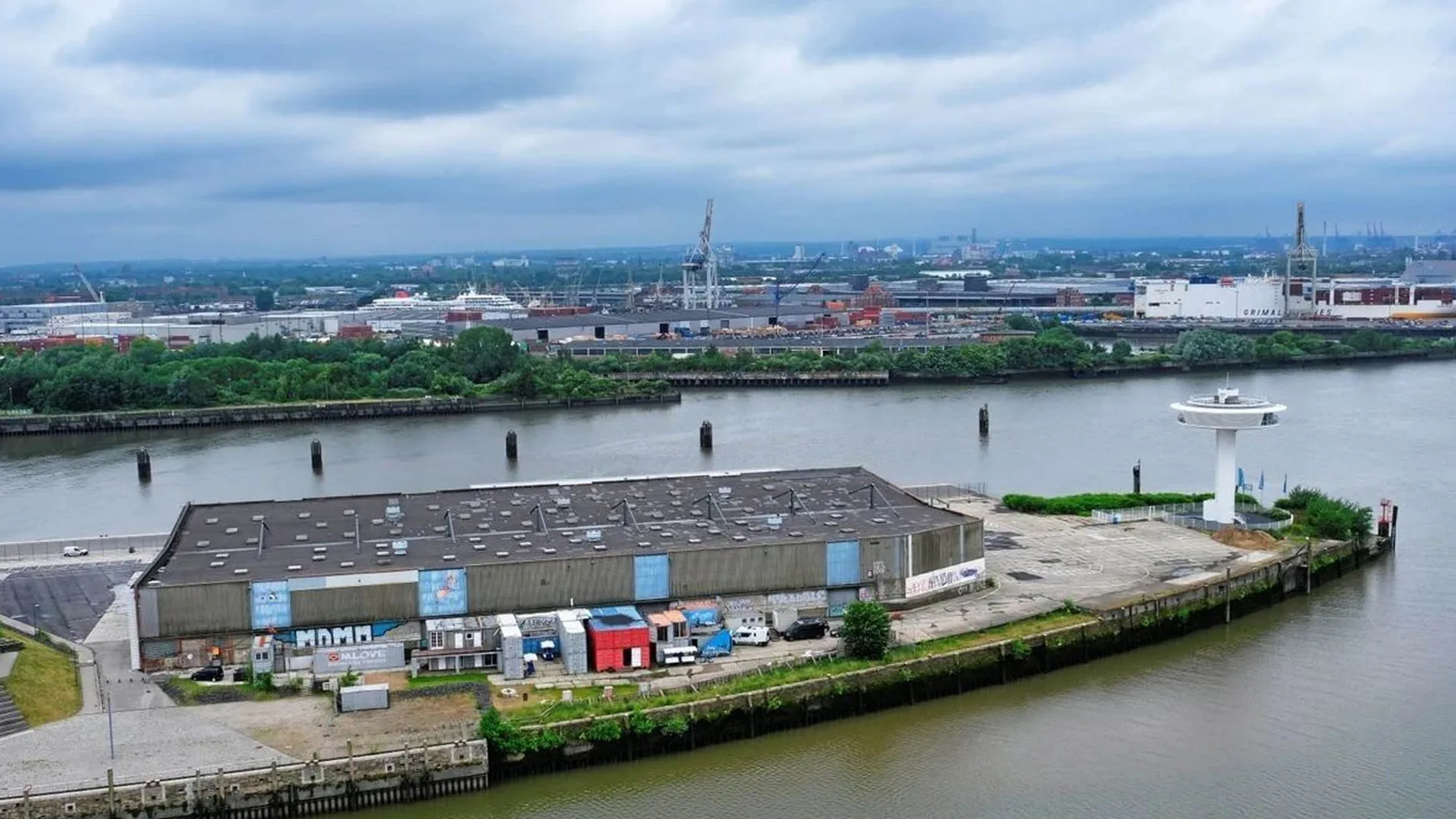
A plan by German billionaire Klaus-Michael Kühne to fund the construction of a new opera house in Hamburg’s HafenCity has sparked fierce political opposition, leading to the suspension of the project. Despite initial negotiations with the city’s cultural authorities, mounting criticism forced Kühne to withdraw from signing what would have been the largest private donation in Hamburg’s history—€330 million for his envisioned opera house.
Heike Sudmann, a member of Hamburg’s Left Party in the city parliament, called Kühne’s proposal a “poisoned gift,” arguing that it would allow the billionaire to buy up the city bit by bit and dictate its cultural landscape. Opponents fear that the new opera house could threaten the future of the historic Staatsoper Hamburg, with speculation that the protected old opera house might be demolished to make way for real estate development. Critics argue that constructing a costly new venue in HafenCity is neither culturally nor economically justified.
Academic and architectural circles have also joined the opposition, calling on the Senate to disclose the full financial implications of the project to the public.
Jürgen Zimmerer, a colonialism researcher at the University of Hamburg, criticized the choice of location—Baakenhöft—stating that it is a historically significant site for commemorating Germany’s colonial crimes. Transforming it into an entertainment venue for opera performances, he argued, would be deeply inappropriate.
The Hamburg Taxpayers’ Association has also voiced concerns, urging the Senate to conduct a thorough and reliable financial review. While Kühne’s donation may appear to be a windfall, the association warns that the so-called “gift” carries substantial risks, especially for taxpayers. Hamburg has a history of large-scale projects suffering from massive cost overruns and construction delays.
Despite the setbacks, the Kühne Foundation has indicated that some unresolved issues in the final contract still require further clarification. While negotiations have been delayed, the foundation remains committed to pursuing the project.
On Monday, Hamburg’s cultural authorities confirmed that discussions regarding the opera house are ongoing. A spokesperson stated that internal deliberations had made good progress in recent months and that efforts would continue to ensure that all interests are considered within a solid contractual framework. Talks are expected to resume after the parliamentary elections on 2 March.
Born in Hamburg in 1937, Klaus-Michael Kühne is the honorary chairman and majority shareholder of the global logistics company Kuehne + Nagel. He also holds a 10.01% stake in Lufthansa and has previously invested in Hamburg’s football club HSV.
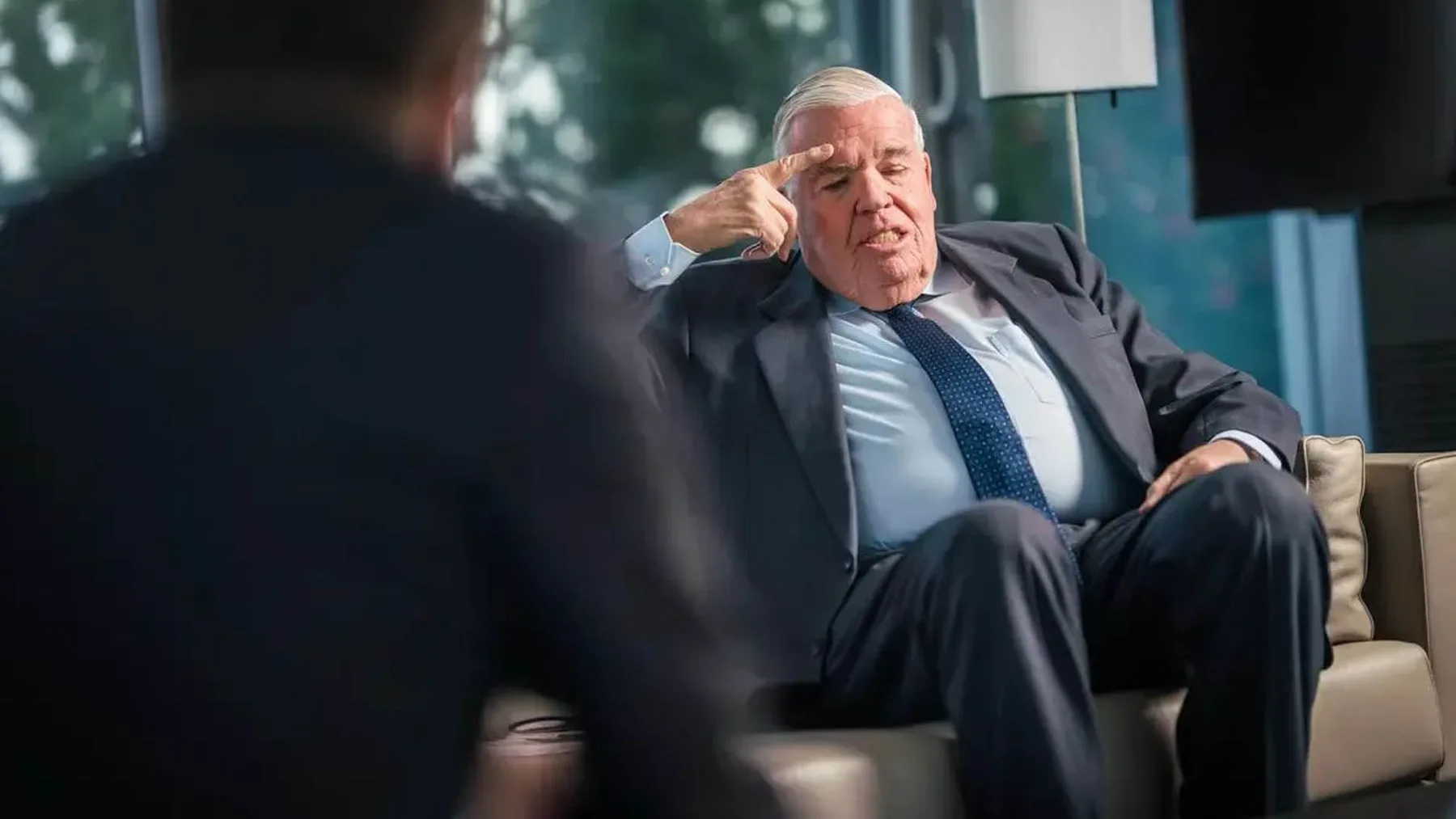
According to Bloomberg’s 2021 estimates, Kühne’s net worth stood at $36.2 billion, making him Germany’s wealthiest individual.