
News
Challenges and Innovations in German Orchestra Auditions: Filling Vacancies Amid High Competition
Despite the abundance of highly trained musicians, one in three vacancies in German professional orchestras remains unfilled for over a year.
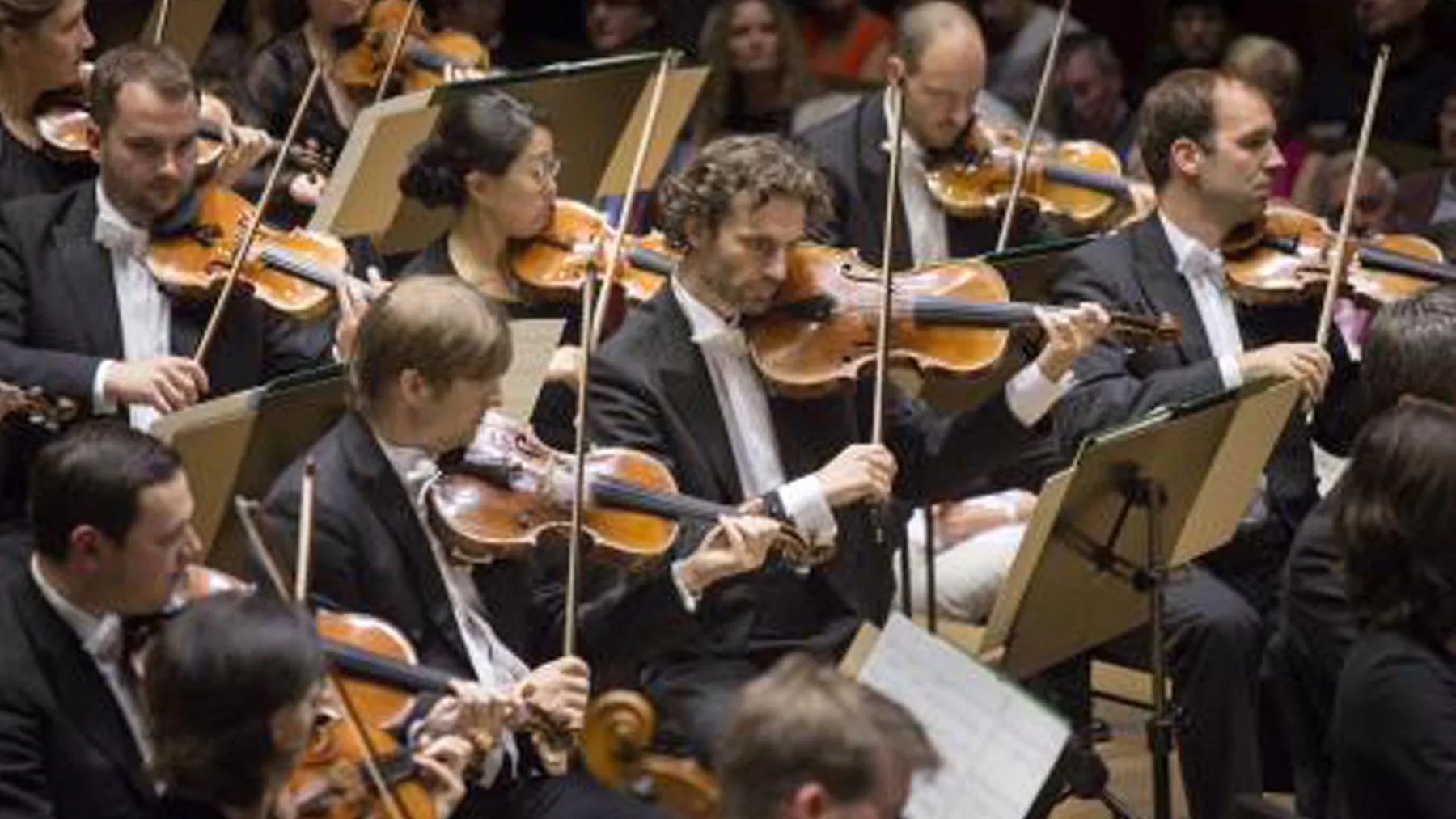
Despite the abundance of highly trained musicians, one in three vacancies in German professional orchestras remains unfilled for over a year. Only one in five positions are filled at the first audition attempt, with 80% failing. Orchestras often require applicants to play solo pieces, even for tutti positions, to gauge technical brilliance and musical personality. The extensive audition repertoire, which includes classical concertos and orchestral excerpts, adds further complexity. Candidates may prepare differently for each orchestra, increasing the workload.
Another challenge is the decision-making process, as entire orchestras vote on new colleagues. Voting methods vary, with some orchestras adopting electronic voting systems to ensure fairness. In some cases, when no consensus is reached, auditions are cancelled. This often leads to repeated auditions, as orchestras prefer a vacant position over an unsuccessful probationary year.
Orchestras are also experimenting with new audition models. The Gürzenich Orchestra in Cologne, for example, has the final audition round performed with the full orchestra to test how candidates integrate into the group. This approach has improved the success rate of auditions, reducing the number of vacancies. However, the pressure on musicians remains intense. Many seek audition coaching to manage stress and stage fright.
Despite the difficulties, many musicians remain committed to their dream of joining an orchestra. Successful candidates still face the challenge of a probationary year, during which they must prove their fit both musically and socially.