
News
Conducting with Pain: Can Daniel Barenboim Still Conduct? A Commentary by Dr. Gerd Klingeberg
It is somewhat painful to witness how difficult it is for Daniel Barenboim, even with support, to move to the conductor's podium, carefully turn, and then drop into the chair provided.
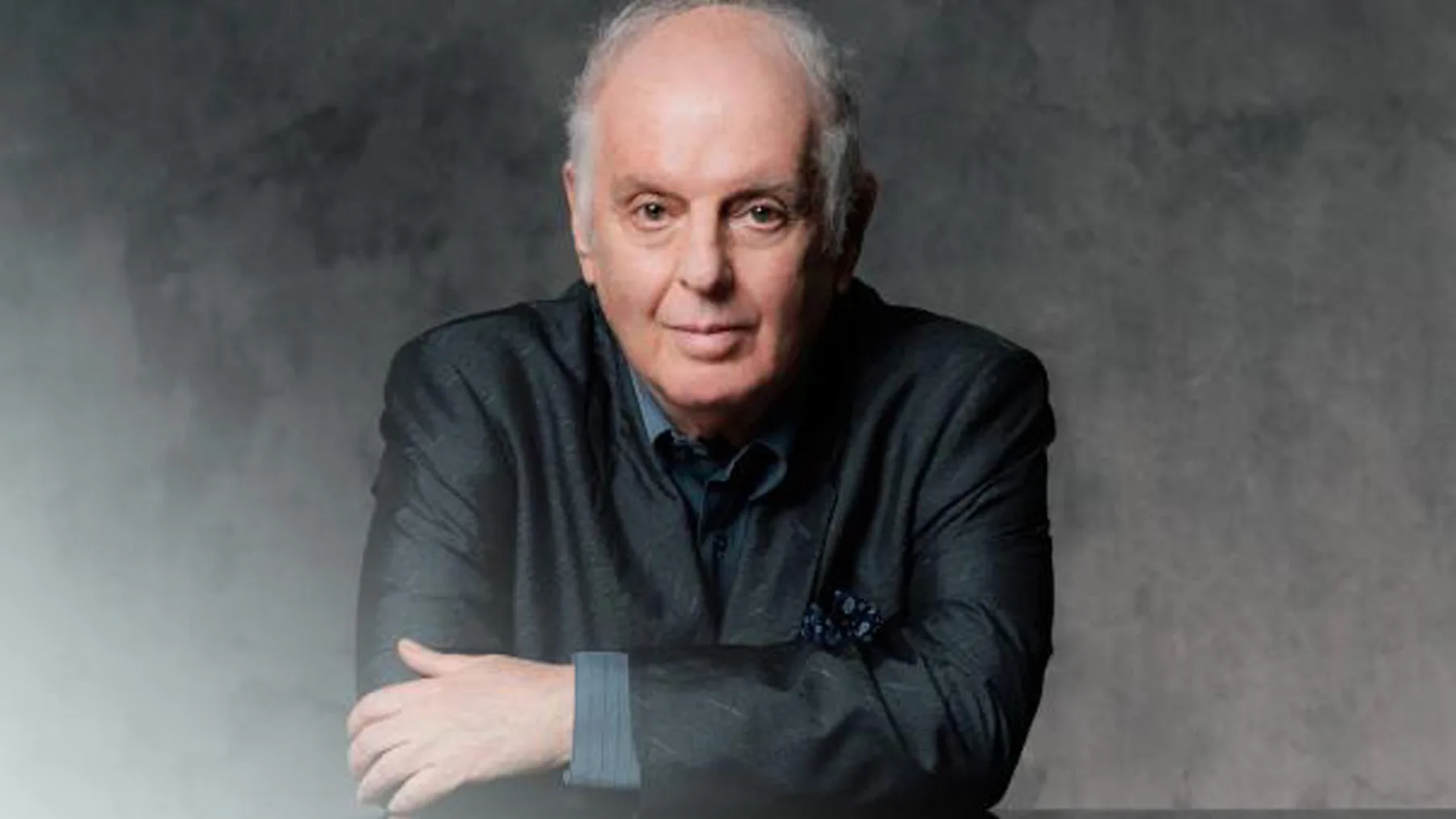
It is somewhat painful to witness how difficult it is for Daniel Barenboim, even with support, to move to the conductor's podium, carefully turn, and then drop into the chair provided. Violinist Anne-Sophie Mutter and musicians from the first desks are always ready to assist the maestro if needed. The audience at the Bremer Glocke can barely discern his conducting; the most noticeable movements are his nearly immobile torso, the occasional thrust of his fist forward and downward, and his head turning towards the different sections of the orchestra.
Why does the 81-year-old maestro subject himself to this? He has received countless honors and is considered one of the world’s greatest conductors. One might compare him to the 97-year-old Herbert Blomstedt, who recently demonstrated at the Salzburg Festival that it is still possible to conduct inspiringly while seated.
However, it is precisely this inspiration, this ability to animate and rouse the orchestra—his West-Eastern Divan Orchestra—that seems to be missing with Barenboim. At least, it’s clear that this energy doesn’t reach his musicians to the extent needed.
Or is it more like the situation with the current U.S. President, who is just five days younger than Barenboim? Joe Biden was determined to remain in office, whether out of a sense of responsibility, stubbornness, or a mixture of both. Perhaps Barenboim also believes that no one can replace him.
It’s important not to overlook the fact that the audience has a right to the highest possible concert quality, especially given the unusually high ticket prices for this particular event. Sympathy is not an appropriate response, especially not for a conductor of Barenboim’s caliber. He doesn’t need it either—at least not if his performance wasn’t suffering. But it is: the potential of the musicians, who must follow his conducting, was far from fully realized.
Should Daniel Barenboim still be allowed to conduct? He cannot be forbidden from doing so; he is not a craftsman or a surgeon, whose unsatisfactory results could have significant consequences. However, one might urgently advise Barenboim to withdraw from the concert business under these circumstances, to relieve himself of this strain.
His listeners would forgive him, and his impressive life’s work would in no way be diminished—on the contrary. And should he eventually regain his former vigor, he would certainly be welcome to continue.