
News
Han-na Chang Plans a New Orchestra for Seoul Arts Center
South Korea produces world-class musicians—but too often celebrates them only after the world does. Han-na Chang’s new Seoul Arts Center orchestra aims to change where recognition begins.
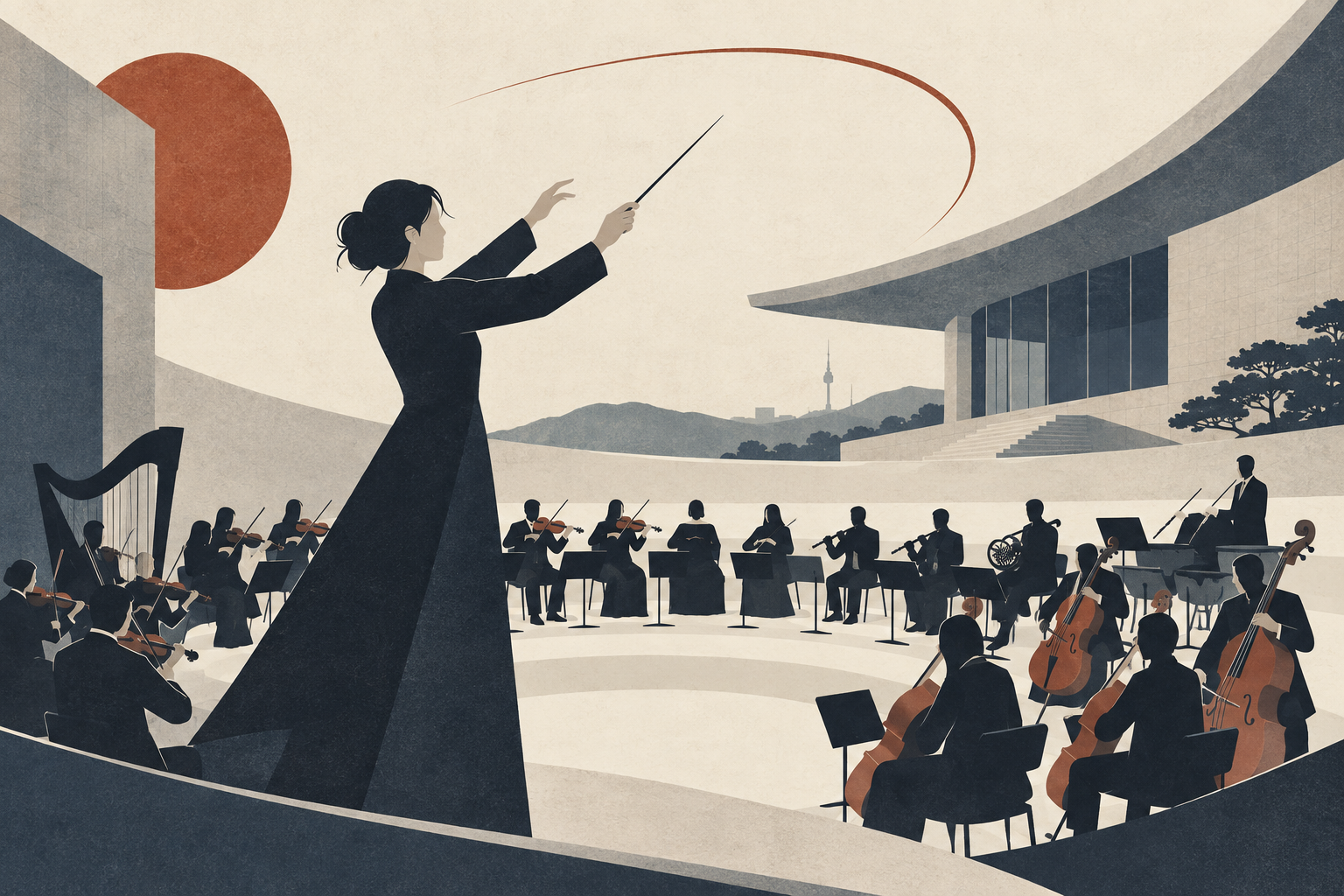
Seoul Arts Center is preparing to establish a new orchestra in 2027, an initiative announced by its president and chief executive, Han-na Chang. The celebrated cellist and conductor said the ensemble would form part of a broader effort to strengthen South Korea’s classical-music infrastructure and give outstanding musicians a clearer route to recognition at home. The orchestra’s name, artistic structure and first season have not yet been disclosed, but Chang said recently secured government funding would make the project possible.
The plan addresses a contradiction in South Korea’s musical life. The country produces large numbers of highly trained performers, and Korean musicians regularly succeed at major international competitions. Yet domestic recognition often arrives only after a performer has been validated abroad. Chang wants the new ensemble to help reverse that pattern. National auditions are expected to identify musicians on the basis of ability, while performances at Seoul Arts Center and venues outside the capital would give the orchestra both a national platform and a regional presence.
Chang brings an unusual combination of experience to the initiative. She first became internationally known as a cellist, later developed a major conducting career, and took office at Seoul Arts Center in April 2026. She is the institution’s youngest leader and its first president drawn directly from the performing arts. Her appointment placed an active musician at the head of one of South Korea’s most important state-supported cultural complexes, which includes concert halls, opera spaces and museums.
The new orchestra will enter an already substantial musical ecosystem. Seoul is home to the Seoul Philharmonic, KBS Symphony and Korean National Symphony Orchestra, while the annual Seoul Arts Center Orchestra Festival brings together ensembles from across the country. That means the new body will need a distinct identity rather than simply adding another set of concerts to a crowded calendar. Its national audition model, regional activity and emphasis on career development suggest that talent cultivation may be central to its mission.
Chang described the funding secured for 2027 as the most important achievement of her first five months in office. For Seoul Arts Center, the orchestra therefore represents more than an additional resident ensemble: it is an institutional statement about where Korean classical music should develop next. The decisive questions will concern contracts, repertoire, governance and the balance between emerging players and established professionals. If those details support Chang’s stated ambition, the orchestra could become a bridge between Korea’s exceptional training culture and a sustainable professional life within the country.