
News
Katie Mitchell Retires from Opera, Citing Endemic Misogyny in the Industry
Celebrated British stage and opera director Katie Mitchell has announced her retirement from opera,
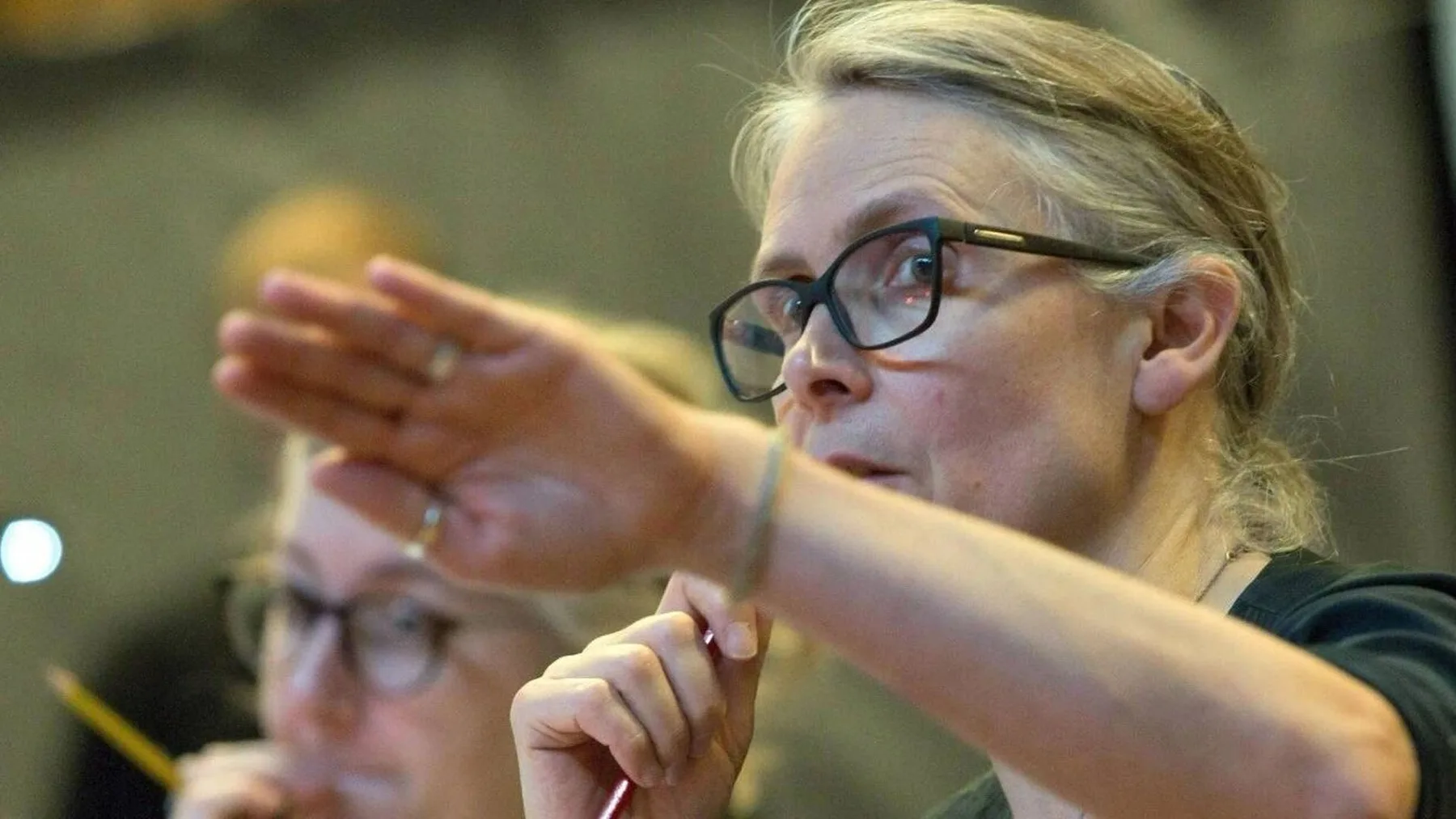
Celebrated British stage and opera director Katie Mitchell has announced her retirement from opera, saying she can no longer tolerate what she describes as a culture of entrenched misogyny across the industry.
Mitchell, known for her psychologically intense productions and bold reinterpretations of classic works, said her decision was not prompted by sexual or physical harassment, but by “sexism — plain and simple.”
“I’ve never worked on an opera production that was free of misogyny,” she told Operawire, describing her decades in the field. “Sometimes it’s subtle — someone saying, ‘Are you a happy girl now?’ Other times, it’s much worse. I’ve been shouted at for artistic decisions. Once, someone even threw furniture at me.”
She said that despite progress in other creative sectors, most opera houses in Europe and the UK still lack robust mechanisms to address gender bias and discrimination. “I just don’t feel safe at work,” she added.
Mitchell’s final opera project will be The Makropulos Case, set to open in November 2025. After that, she plans to focus on theatre and film, leaving behind a decades-long opera career that has included productions for the Royal Opera House, the Salzburg Festival, and the Aix-en-Provence Festival.
Her departure is seen by many as a wake-up call for the opera world, which has long been criticised for its hierarchical power structures and male-dominated leadership.
Arts industry observers say Mitchell’s announcement highlights the continuing need for systemic reform — not only in preventing harassment, but in dismantling subtler, everyday forms of discrimination that shape creative decision-making and professional hierarchies.
“For me to come back,” Mitchell said, “there would need to be a revolution in the system. It’s simple — I want to feel safe at work.”
Mitchell’s exit marks the end of an era for one of Britain’s most influential and uncompromising directors — and a reminder that, for many women in the arts, equality remains an unfinished project.