
News
Stradivarius Dethroned: Blind Tests Challenge the Supremacy of Antique Violins
In October 2024, an intriguing experiment took place in Paris at the House of Radio France, where antique violins from the 18th century faced off against modern violins in a blind listening competition.
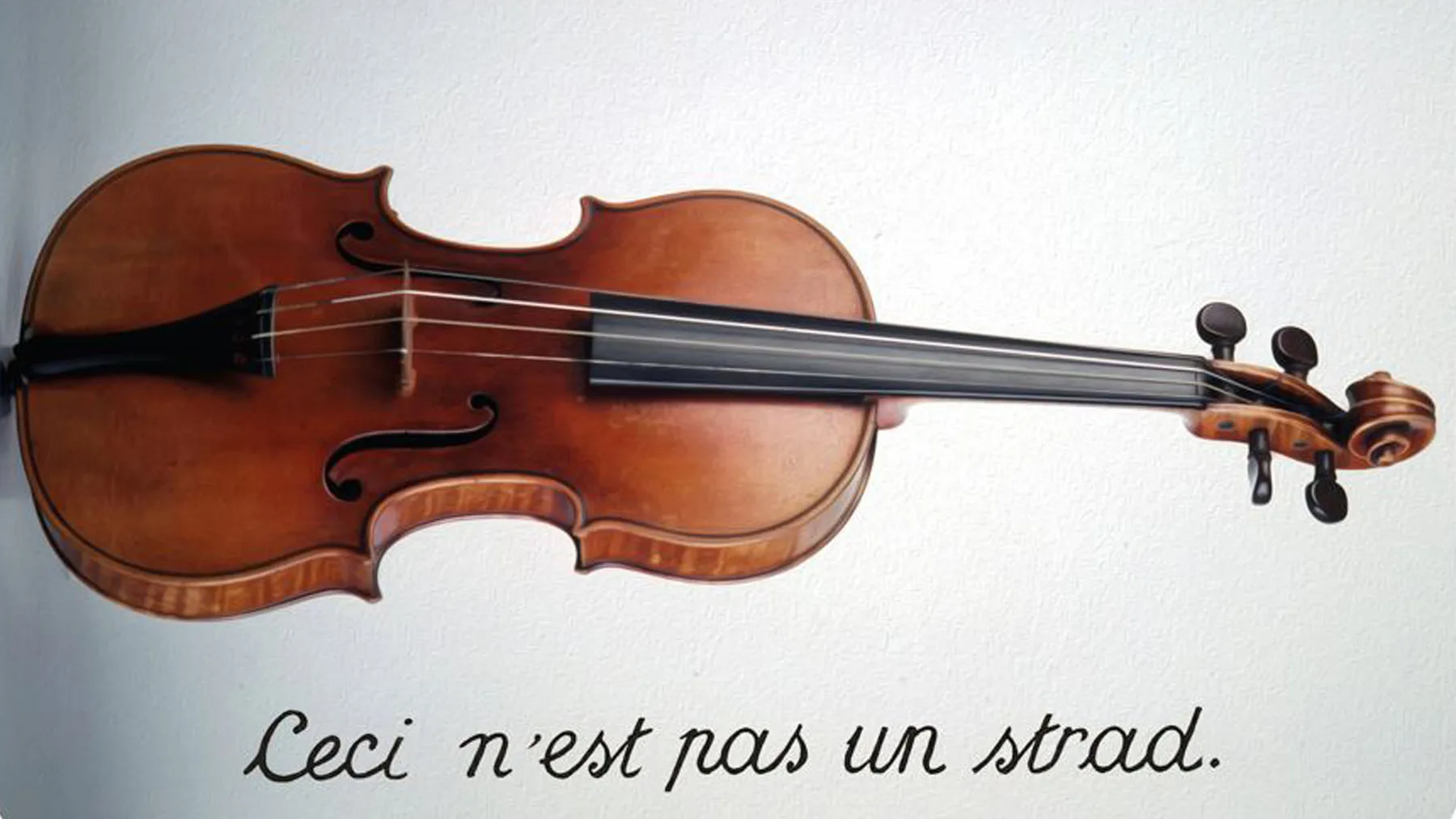
In October 2024, an intriguing experiment took place in Paris at the House of Radio France, where antique violins from the 18th century faced off against modern violins in a blind listening competition. The event, inspired by similar studies, aimed to explore how these iconic instruments, including those crafted by famed Italian masters like Antonio Stradivari and Giuseppe Guarneri, compared to modern violins, such as one made by contemporary luthier Sylvain Tourneur. Audience members were asked to judge the violins based on characteristics like timbre, projection, and balance while listening to works by Mozart and Sibelius.
Despite the historical prestige of violins from Stradivari and Guarneri, both were eliminated in early rounds. The finalists came down to a 1785 violin by Giovanni Guadagnini and a modern violin, with the Guadagnini ultimately winning. This outcome reflects a growing trend seen in previous studies: in blind tests, many musicians and listeners cannot reliably distinguish between old and new violins, and often prefer modern instruments for their sound qualities.
A similar study from 2012, led by researcher Claudia Fritz and violin maker Joseph Curtin, had sparked controversy when it found that professional violinists often preferred modern violins over revered 16th and 17th-century Italian violins. In this study, conducted at the International Violin Competition of Indianapolis, participants were asked to select their preferred instruments in various blind tests. Despite the immense value of the old violins used, many players favored modern ones, challenging the long-held belief that age inherently improves a violin’s quality.
Though some critics argue that these blind tests are limited in scope and fail to capture how instruments perform in a concert hall setting, both the Paris and Indianapolis experiments highlight the complexity of evaluating violin quality and question the dominance of antique violins in the modern era. These findings suggest that modern instruments can offer comparable—if not superior—performance, forcing a reconsideration of the assumption that older violins are always the best.