
News
Experts say interest in elitist culture in Russia is declining
Experts say interest in elite culture in Russia is declining. To attract people to academic art, new approaches are necessary, according to Umberto Fanni, General Director and Artistic Director of the Royal Opera Theatre of Muscat.
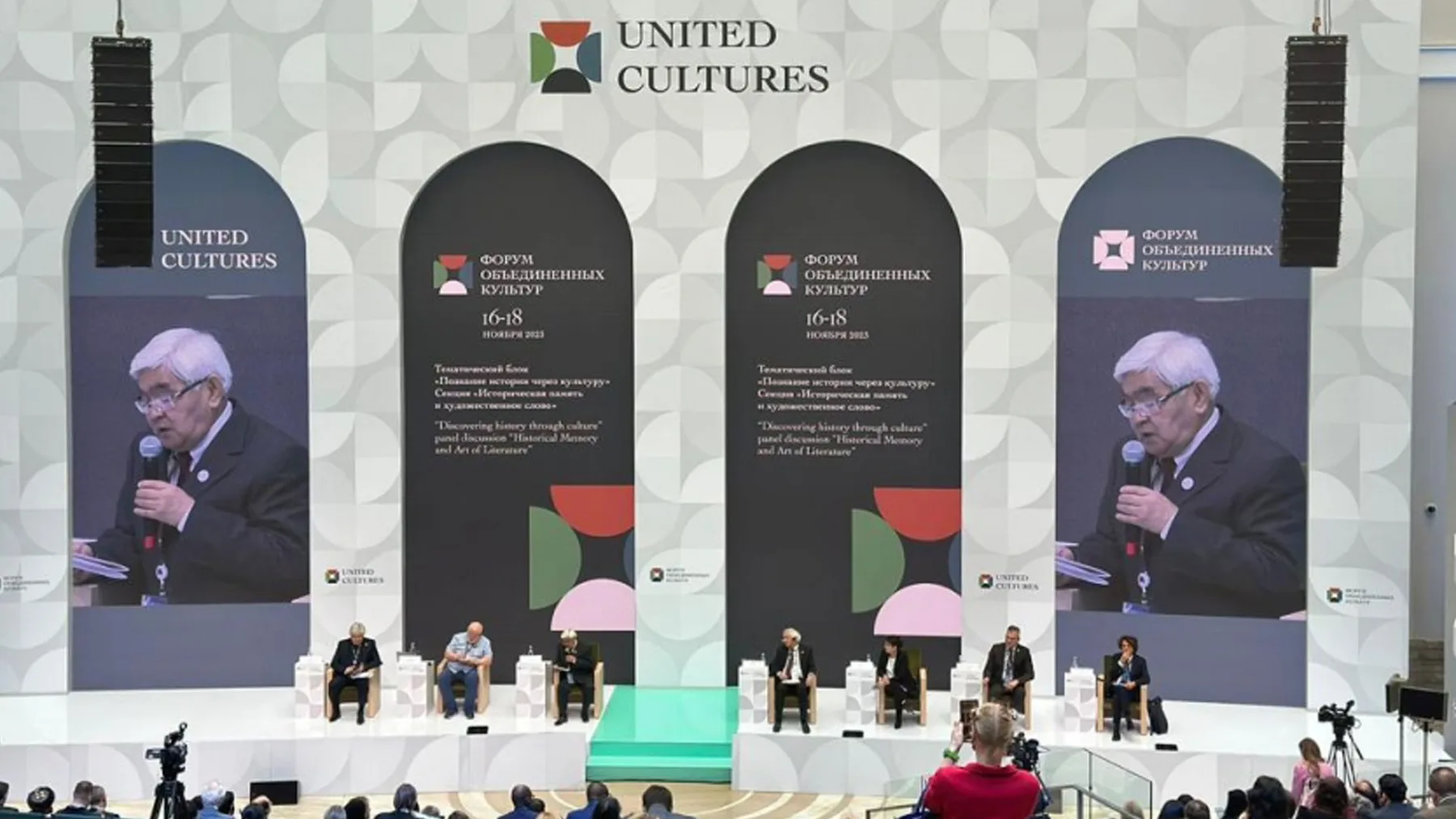
Experts say interest in elite culture in Russia is declining. To attract people to academic art, new approaches are necessary, according to Umberto Fanni, General Director and Artistic Director of the Royal Opera Theatre of Muscat.
During a discussion at the X International Forum of United Cultures in St. Petersburg, experts noted a decrease in interest in elite culture within Russia. Dmitry Grinchenko, the General Director of the Russian Concert Agency, emphasized the importance of continuing to support cultural development. "The first thing we need to consider is ensuring that our impressive achievements remain relevant in the future," he said. "We've been world leaders for 250 years, and it's crucial to maintain that perspective for the next 50 years."
Grinchenko stressed the importance of sustaining Russia's significant role and influence in classical music and academic art. He expressed concern about the declining number of visitors to music concerts. "When this topic was first discussed 15 years ago, we noted that 3-3.5 percent of people were concert hall visitors. We should have been increasing these numbers, but instead, they have decreased," he pointed out. Grinchenko emphasized the need to find various ways to explain and encourage people, including those in smaller towns, to engage with academic art.
Umberto Fanni highlighted the importance of building cultural bridges to bring people together. "Music connects people and helps them understand each other through its universal language. Sometimes language can be complicated and lead to misunderstandings, but music is the foundation of culture and can truly help," he explained. Fanni believes that a society that appreciates classical music is more likely to understand and empathize with others' emotions, which is crucial for developing compassion. He also mentioned that classical music has been shown to positively affect cognitive development and learning.
Fanni noted that the pandemic marked a significant shift in cultural history, creating a "before and after" moment. "In 2020, we moved into a new era where live performances ceased, and it was impossible to increase various activities online. We needed to help people return to concert halls," he said. Now, Fanni argues, it's essential to find new approaches to engage people. "Cultural institutions should not simply repeat past programs. Instead, they need to create new strategies that present global values using new technologies and initiatives. The state is also working to promote national identity," he added.
Alexander Ryzhinsky, Rector of the Gnessin Russian Academy of Music, identified an issue with the representation of classical music in influential media. "As a child, I remember seeing symphony concerts on TV regularly. But when was the last time you saw a good symphony concert on Channel One? I can't recall, and this is important," he noted. Ryzhinsky also mentioned that existing specialized cultural channels are often perceived by young people as being aimed at an older audience, making them less appealing.
The X St. Petersburg International Forum of United Cultures is taking place from September 11 to 14. Over the years, it has become a key event in the cultural field, serving as a platform for meaningful and open dialogue on significant issues in the global cultural and humanitarian agenda. The main theme of the 2024 forum is "Culture of the XXI century: sovereignty or globalism?"