
News
Major Strike at Paris and Lyon National Conservatories
France’s two leading music schools have announced an indefinite strike set to begin on 12 February.
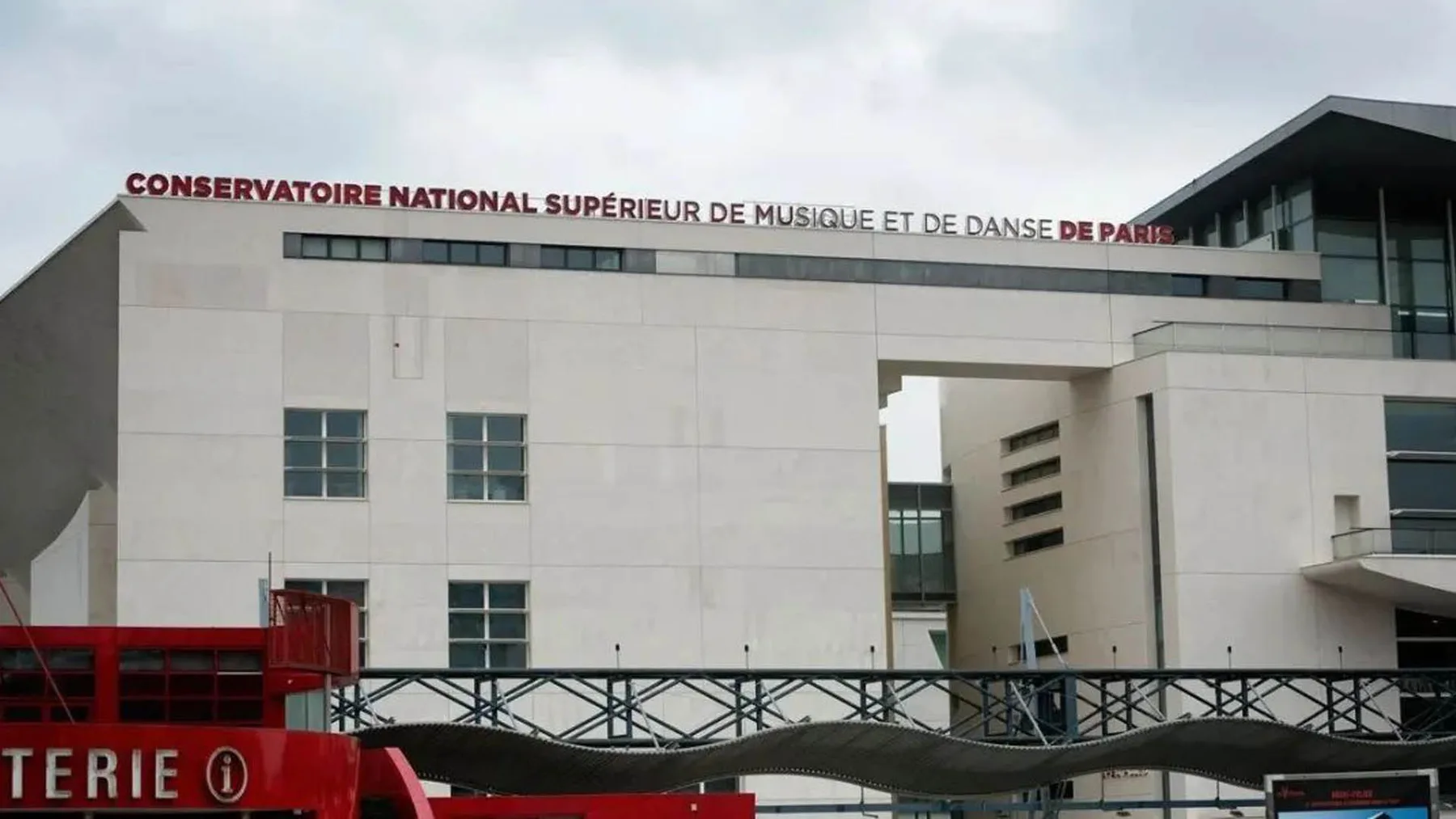
France’s two leading music schools have announced an indefinite strike set to begin on 12 February. The teachers, particularly accompanists, are protesting against what they describe as “unacceptably low” salaries given their expertise and professional level.
At the initiative of the Syndicat des Artistes Musiciens, Danseurs, Professeurs et autres Artistes du Spectacle (SAMUP), faculty members of the Conservatoires Nationaux Supérieurs de Musique et de Danse in Paris and Lyon have been called to strike starting Wednesday, 12 February.
The strike notice is set for one month, during which representatives hope to pressure the Ministry of Culture into concessions.
The teachers have been waiting since 2009 for a ministerial decree defining their recruitment and salary conditions. Their current salary structure, dating back to 2003, is widely regarded as inadequate given the qualifications and artistic experience required to work in a higher education institution.
According to union representatives, the situation for accompanists—piano accompanists and vocal coaches—is particularly alarming. They work directly with students for 18 hours per week, yet despite their high level of training, their starting net salary is just €1,331, rising to a maximum of only €1,650 (approx. ¥12,428 RMB) after seven years, with no further career progression.
These accompanists play an essential role in students’ education, supporting them in lessons, competitions, and auditions. However, they claim to be among “the lowest-paid in France,” earning even less than accompanists at regional conservatories.
Following a petition campaign last spring, the Ministry of Culture agreed to open negotiations a few weeks ago. However, union representatives argue that the proposed salary increases are insufficient and that incorporating their seniority into the new pay scale is also inadequate. The new pay scale, extending over 30 years, does little to address their concerns.
In a letter to the Minister of Culture on 5 February, SAMUP highlighted that some accompanists with 20 to 30 years of experience have seen their salaries stagnate at near-minimum wage levels since joining the national conservatories.
The letter further questioned the Ministry’s disregard for these teachers’ experience, dedication, and loyalty: “What clearer message could be sent to these professionals than that they are considered entirely expendable and subject to exploitation?”