
News
Mozart, Schubert, or Vivaldi to Scare Young People Away? The Controversial Method Used by Finnish Police
Each year, as summer approaches, the police in the Finnish seaside resort of Espoo employ a unique method to deter young people from gathering on beaches at night to celebrate the end of the school year.
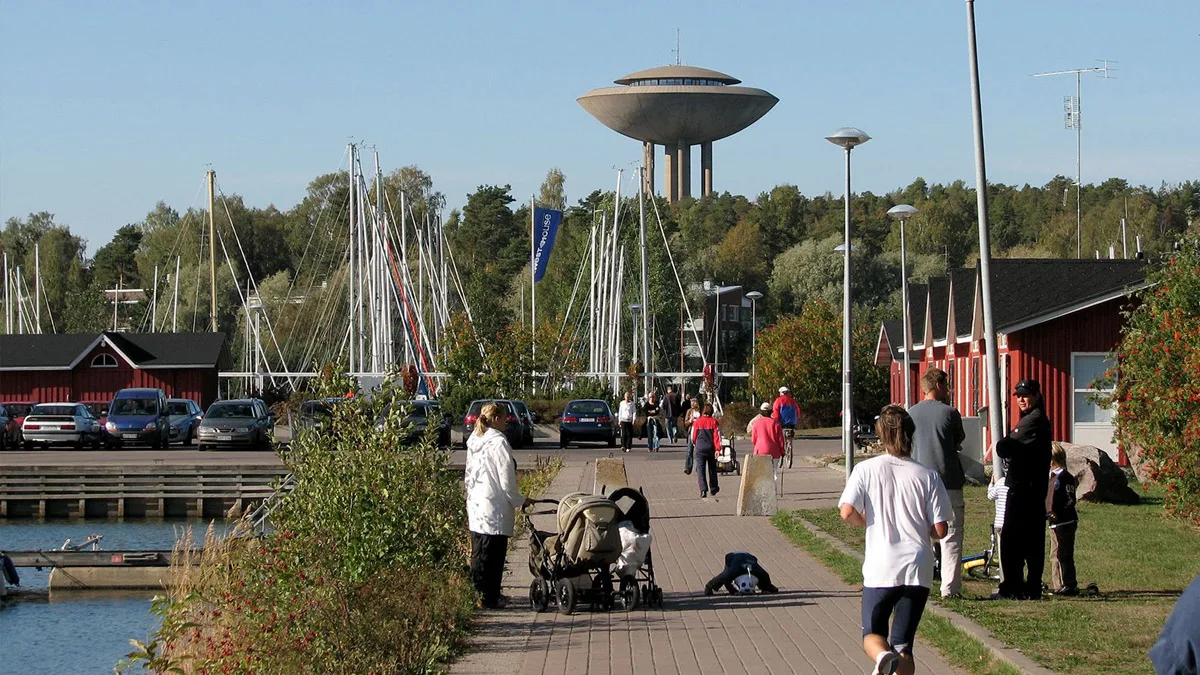
Each year, as summer approaches, the police in the Finnish seaside resort of Espoo employ a unique method to deter young people from gathering on beaches at night to celebrate the end of the school year. Authorities have found that playing classical music, such as the works of Mozart, Schubert, or Vivaldi, effectively keeps revellers away.
Since the beginning of June, high school and university students in Helsinki have been celebrating the end of the school year on beaches, causing various disturbances. Local residents have complained about the noise, excessive alcohol consumption, use of various substances, and littering on the beaches.
To address these issues, the police in Espoo, a seaside resort with around thirty beaches located west of the Finnish capital, have implemented a strategy over the past six years to discourage young partygoers from staying by the seaside after dark. This strategy involves playing classical music through loudspeakers from 6 PM to 11 PM.
This year, the playlist broadcast on Espoo's beaches includes pieces such as Johann Strauss's "The Blue Danube," Franz Schubert's "Ave Maria," and Antonio Vivaldi's "The Four Seasons."
Similar Experiences in the United States and Great Britain
"For some reason, classical music doesn't attract young people, and they tend to stay away from places where it is played," says Mikko Juvonen, an officer with the local police department. "It's better for us to keep young people on dry land, and it makes the beaches nicer for families who come to swim in the morning when the beach is clean," he adds.
This method has been used in other countries as well. For instance, near the University of North Dakota in the United States, broadcasting classical music in a busy cafeteria significantly reduced aggressive behavior among students. In Great Britain, the Northern Rail company observed a similar effect in 2022 when it began broadcasting classical music in some of its stations.