
News
Paul Müller Reflects on His Tenure with the Munich Philharmonic
As Paul Müller prepares to step down as artistic director of the Munich Philharmonic in October 2024, he reflects on his eventful 16-year tenure.
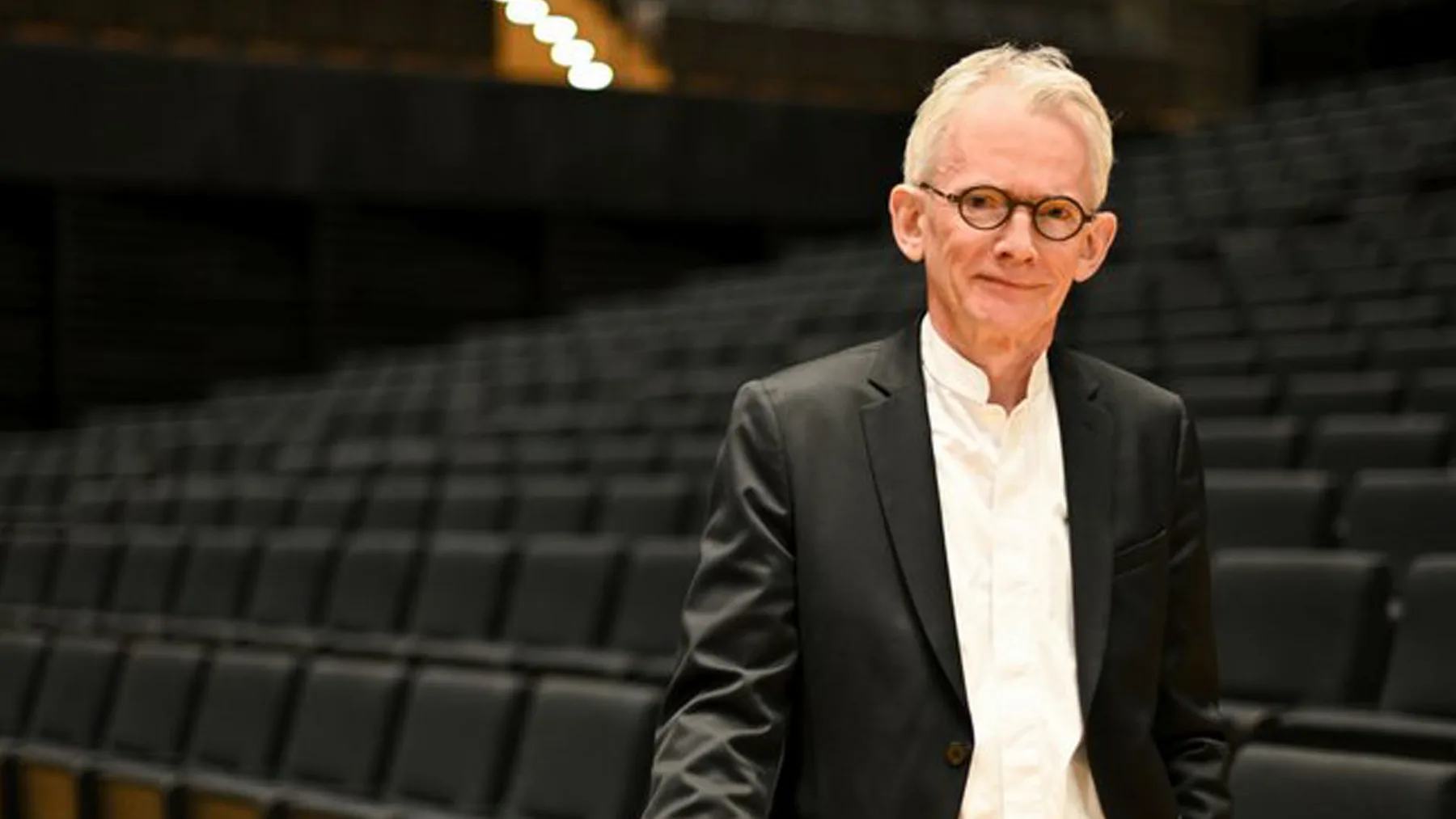
As Paul Müller prepares to step down as artistic director of the Munich Philharmonic in October 2024, he reflects on his eventful 16-year tenure. His career spans multiple crises, triumphs, and key partnerships, including working with renowned conductors Christian Thielemann, Lorin Maazel, and Valery Gergiev. While his time at the Philharmonic was marked by moments of tension, Müller remains largely positive about his achievements.
A Career Rooted in Music
Müller’s passion for music began with his studies as a cellist, culminating in a memorable performance at the Rachmaninov Hall in Moscow. However, he made the bold decision to pivot into cultural management. This shift led him to work with prestigious orchestras before becoming director of the Munich Philharmonic in 2008.
The Gergiev Dilemma
One of the most challenging moments of Müller’s tenure was his decision to bring Russian conductor Valery Gergiev to the Philharmonic in 2015. Gergiev’s outspoken support for Vladimir Putin, especially during the annexation of Crimea, and his praise for Russian military actions in places like South Ossetia and Palmyra, caused friction. Müller recalls conversations urging Gergiev to refrain from political commentary, a request Gergiev largely respected until the 2022 invasion of Ukraine. The political climate forced Müller to sever ties with the conductor, a decision that also ended their personal friendship.
The Thielemann and Maazel Years
Müller also faced challenges with conductor Christian Thielemann, who clashed with the Philharmonic’s leadership over control of guest conductor decisions. Their working relationship ended in 2009 when Thielemann signed with the Dresden Staatskapelle. Despite the tension, Müller maintains that the music created during those years remains unforgettable.
Lorin Maazel, who succeeded Thielemann, left an indelible mark on the Philharmonic by expanding its repertoire and pushing the orchestra to new technical heights. Müller fondly recalls their time together, emphasizing Maazel’s ability to connect with audiences and his profound humanism.
The Isarphilharmonie Move
Under Müller’s leadership, the Philharmonic successfully transitioned to the Isarphilharmonie while awaiting the renovation of its main concert hall, the Gasteig. Though the Gasteig’s renovation has faced delays, Müller remains optimistic that the project will move forward.
A Forward-Looking Philharmonic
Looking to the future, Müller believes that classical music remains relevant, especially given the Philharmonic’s ability to attract younger audiences with innovative programming. He highlights the growing prominence of female conductors in the Philharmonic’s performances, including Karina Canellakis, whose recent Beethoven performance Müller describes as phenomenal.