
News
Trump Administration Cuts NEA Funding to Opera Companies in Major Policy Shift
A major shift in federal cultural policy under President Donald Trump’s administration has led to the cancellation of National Endowment for the Arts (NEA) grants for numerous opera and arts organisations across the United States.
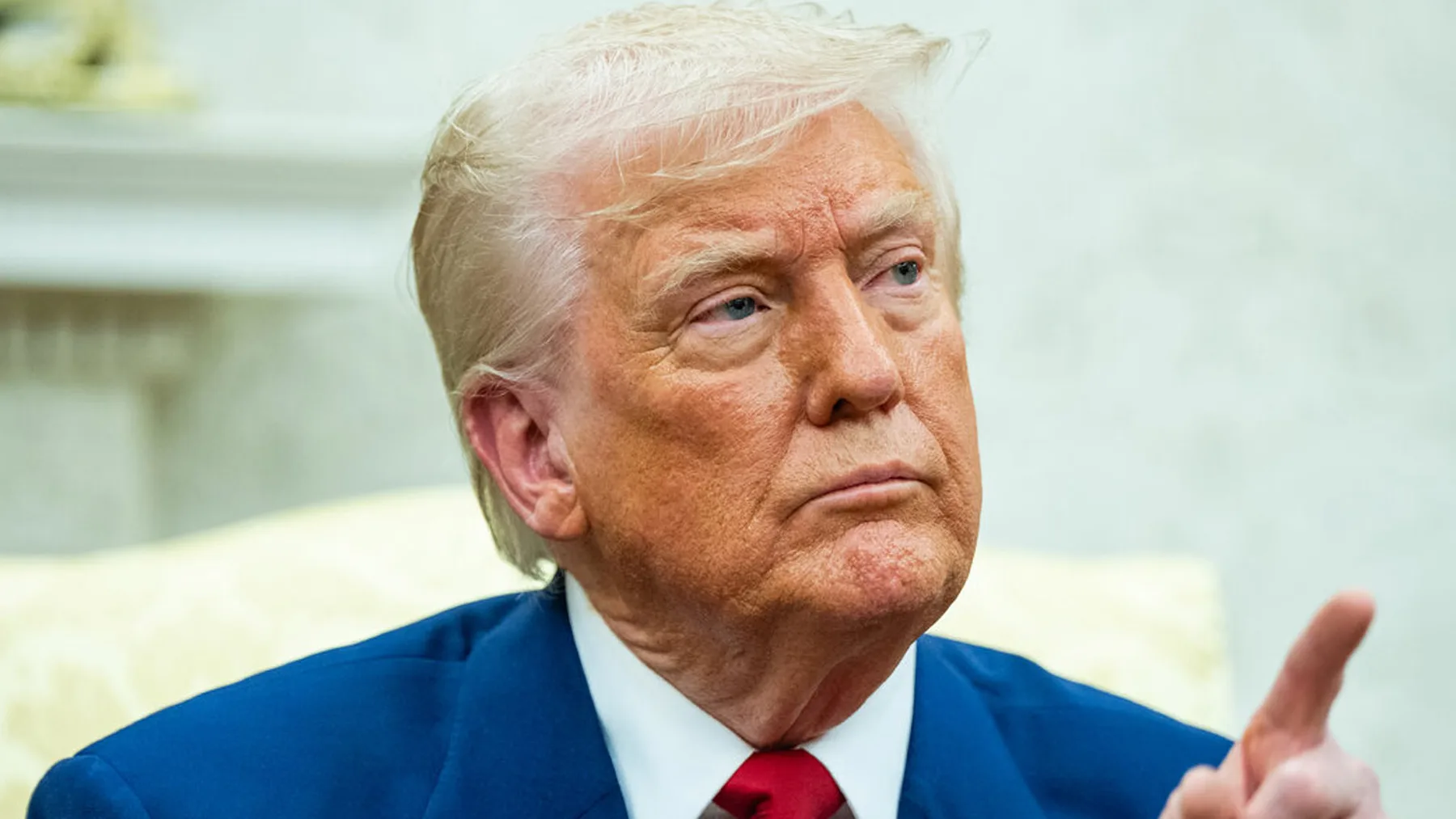
A major shift in federal cultural policy under President Donald Trump’s administration has led to the cancellation of National Endowment for the Arts (NEA) grants for numerous opera and arts organisations across the United States. The move has raised widespread concern within the cultural sector.
According to reports, affected institutions include Opera San José, Brooklyn Art Song Society, vocal ensemble Chanticleer, and Music of Remembrance. These cuts form part of a wider plan by the Trump administration to significantly reduce, or potentially eliminate, the NEA.
The new funding priorities focus on projects linked to the 250th anniversary of American independence, artificial intelligence, and religious initiatives, while sidelining programmes that support community engagement and cultural diversity.
Opera San José had been awarded a $25,000 grant for its bilingual production of Zorro, aimed at Spanish-speaking audiences. The loss of funding has cast doubt on the administration’s stated support for minority cultural projects.
The impact extends beyond opera. In New York State, the Albany Symphony, contemporary arts centre MASS MoCA, and the Empire State Youth Orchestra have also seen their grants withdrawn. In Austin, Texas, at least 14 organisations — including the Zach Theatre and Conspirare — have been similarly affected.
Arts leaders warn that the cuts will have long-term consequences for cultural education and community access to the arts. While some organisations are now seeking private donations and state-level support, many face an uncertain future amid the shifting federal landscape.
The changes mark a significant setback for public arts funding in the US, with broader implications for artistic freedom, access, and diversity.