
News
Unique Wax Cylinder Recordings by Paganini’s Only Pupil Identified
The playing of violinist Camillo Sivori (1815-1894), the sole pupil of legendary Niccolò Paganini, has been immortalized through primitive wax phonograph cylinder recordings held by the British Library.
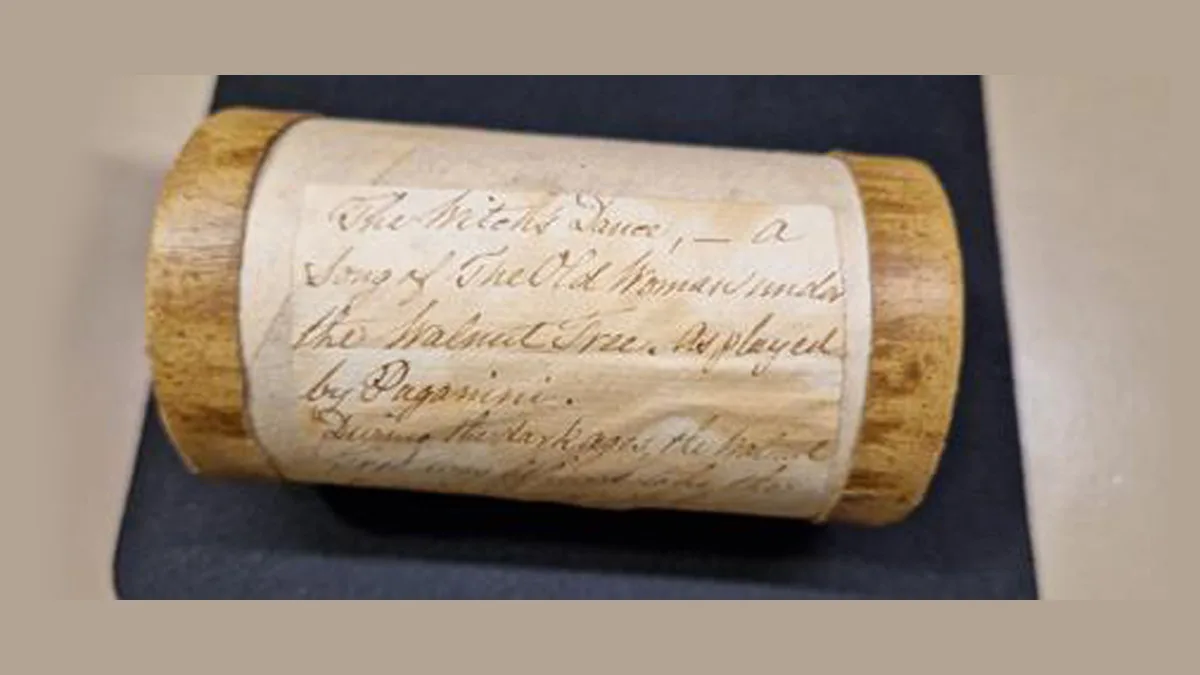
The playing of violinist Camillo Sivori (1815-1894), the sole pupil of legendary Niccolò Paganini, has been immortalized through primitive wax phonograph cylinder recordings held by the British Library. These recordings, previously attributed to German violinist August Wilhelmj (1845-1908) and estimated to be from around 1900, include Paganini’s Witches’ Dance and Sivori’s second Violin Concerto.
Recent research by American scholar Andrew Krastins suggests these recordings were made about a decade earlier, possibly just days before Sivori's death in 1894 in Genoa. The British Library acquired the cylinders in 2005 from a former Schott Music employee, who had believed Wilhelmj made them. However, Krastins found it unlikely, as Wilhelmj had retired from public performance by then and had not performed most of the recorded pieces.
Krastins highlighted that Sivori, unlike Wilhelmj, would have known how Paganini played. The phonograph was rare in Europe at the time of Sivori’s death, but he had access to one in 1892 and 1894. It is believed that Enrico Copello, working for Edison’s Phonograph Enterprise, brought the cylinders to London.
Jonathan Summers, the Library's curator of classical music, remarked that Krastins’ discoveries are astonishing, making these cylinders among the most significant known. Sivori began performing while Beethoven was still alive, making him the earliest-born classical musician to have recordings. Hearing Paganini’s only pupil perform his compositions is both thrilling and haunting.
The British Library has transferred the recordings using a new Endpoint Cylinder Transfer Machine and plans to publish them on its website.